Half of your body’s cells aren’t even human. Surprising, right? Around 30 trillion microbial cells live in and on your body, working alongside your human cells to keep you alive and healthy.
These microbes—bacteria, fungi, viruses, and others—make up the microbiome, an essential system that impacts nearly every part of your health.
It gets even better.
At best, we are 1% human in terms of genetics. Humans have some 20,000-30,000 genes, yet the collective genes of the microbes in our gut have 3.3 million genes –110-165x the number of our human genes!
Genes code for the production of “things”- proteins, peptides, and beyond that have seemingly infinite potential roles in the body.
Some 90% of all metabolites in your bloodstream right now come from the bacteria in your gut, and the specifics of how they break down foods we eat, components in their cell membranes, and what their natural metabolism produces for us in return. This is why taking care of your gut microbes can be so important. As diversity declines, so does the amount of metabolites the microbiome can produce. This makes you less able to respond to metabolic challenges and lifestyle stress.
From digestion and immunity to mood and energy, your microbiome plays a starring role. For instance, you can predict chronological age within as tight a window as 4 years by looking at microbiome diversity. The less diversity, the older the age (1).
By understanding how it works, what harms it, and how to care for it, you can take control of your well-being and unlock better health.
What is the Microbiome?
The microbiome is the collection of trillions of microbes that live on and inside your body. These tiny organisms help you digest food, protect against harmful invaders, and produce important compounds like vitamins and neurotransmitters. Some researchers even consider the microbiome an extra organ because of its profound impact on human health.
Microbes inhabit nearly every part of your body, but four regions stand out as especially important:
Gut Microbiome
The gut microbiome, primarily located in the large intestine, is the best-known and arguably the most influential, as it plays a key role in seeding microbes throughout the body. These microbes help break down fiber, balance blood sugar, and produce compounds like short-chain fatty acids that fuel your cells.
Keystone strains, such as Akkermansia muciniphila, Faecalibacterium prausnitzii, and Bifidobacteria, are recognized as key players in a healthy gut. Not all are available as probiotics due to instability outside the gut, so a range of dietary and supplement strategies is necessary to optimize or maintain a healthy gut.
Skin Microbiome
Your skin hosts millions of microbes that protect against harmful bacteria and boost your immune defense. When balanced, these microbes can help prevent issues like acne, eczema, and rosacea. Interestingly, skin microbiome samples were the most predictive of age (2).
The body is dynamic, so the bacteria in your nose are different than what lives in your armpit, which is different from what’s on your arm or leg. We are much more sanitized and clean than our ancestors, and there are trade-offs: skin dehydration, cracking, and increased susceptibility to problems from being “too clean”.
In addition, vitamin D is produced in the oils on our skin, and this conversion can take 24 hours to as long as 2 weeks. If you’re constantly stripping away these oils from your skin, you may be getting ample sunlight but not giving your skin time to absorb vitamin D. Vitamin D was misnamed as a vitamin and is actually a hormone that works not just on calcium absorption but also supports immune balance and inflammation.
Use healthy products and pat dry with your towel rather than vigorous drying. Work with the natural environment on your skin, not against it. While I’m not saying to stop bathing and showering – too much and with harsh products is not good for our skin microbiome.
Oral Microbiome
The microbes in your mouth influence more than oral health. They can affect your gut, immune system, and even your brain. A healthy oral microbiome protects against cavities and inflammation. The bacteria in your mouth also help to lower blood pressure – so much so that aggressive mouthwashes will raise your blood pressure.
This is because nitrates in our food from leafy greens, beets, and others are absorbed into the bloodstream via the gut, and then find their way into the saliva in our mouth. The nitrates then interact with bacteria and are converted into nitrite. Nitrite is swallowed and absorbed in the gut into our bloodstream, yet now, this is the form our body can convert to nitric oxide. Nitric oxide works systemically to lower blood pressure, improve brain health, optimize exercise and sexual performance, and has key roles in immunity and more.
The other main way the body makes nitric oxide is through the arginine pathway. Arginine is an amino acid found in protein and supplements. This pathway gets less and less effective as we get older. As we age, we become 50-80% more dependent on bacterial nitrate conversion in the mouth to support nitric oxide production in the body. When you use commercial antiseptic mouthwashes, you kill this bacteria and this mechanism.
Instead, I’m a fan of tongue scraping with a copper device, adequate brushing and flossing, and herbal mouthwashes and toothpastes like those offered by Biocidin Botanicals, which are more selective in supporting microbiome balance.
Vaginal Microbiome
For women, the vaginal microbiome plays a vital role in maintaining an acidic environment that protects against harmful bacteria and viruses, including potential sexually transmitted infections. This delicate balance is essential for overall reproductive health. These regions aren’t separate—they work together as a dynamic ecosystem that affects every part of your body.
Lung Microbiome
Like the gut, the lungs are an important interface between the external and internal environments. There is an interchange between the lungs, mouth, and gut every time we breathe, cough, sneeze, and swallow.
A healthy lung microbiome supports immune protection and responses for a range of respiratory infections. There is also interplay between the health of the gut microbiome and the lungs through immune responses, as well as through leaky-gut toxins (and leaky-lung toxins) that cause inflammation.
It is a little gross to think about, but when you’re in a public bathroom and the air dryers are wooshing air, a recent study has shown that they’re releasing many strains of bacteria found in poop into the air you then breathe in or swallow. Bacterial imbalances in the lungs, from poor air quality, smoking, and more, may also seed imbalances in the gut through swallowing lung mucus and more.
Where Does the Microbiome Come From?
Your microbiome starts forming before you’re born. Even in the womb, microbes from the placenta and amniotic fluid begin shaping this essential system. At birth, the way you’re delivered makes a big difference.
Vaginal Birth vs. C-Section:
During vaginal birth, the baby is exposed to the first beneficial bacterial strains that seed the microbiome. These initial strains are then nurtured and shaped by breastmilk, diet, and social and environmental factors throughout early development.
Natural birth is associated with higher levels of strains of bifidobacteria and Bacteroides, while C-section births are associated with higher percentages of strains from Streptococcus, Staphylococcus, and Clostridia.
Babies born by C-section miss this exposure, but techniques like “vaginal seeding” are gaining popularity to help introduce these helpful microbes.
Infant Feeding – Breastfeeding vs. Formula:
Breastmilk is naturally rich in beneficial bacteria, prebiotics, and immune-supporting factors that nourish healthy gut bacteria and protect the developing infant. While breastmilk is considered the gold standard for infant nutrition, formula may be necessary for medical, lifestyle, and socioeconomic reasons.
Cow’s milk-based formula contains proteins that differ significantly from those in human milk, which can sometimes contribute to sensitivities or immune challenges later in life. Alternatives like soy- and rice-based formulas aim to replicate the protein and fat composition of human milk but lack the natural immune-supporting factors and protective agents found in breast milk. Additionally, these formulas may raise concerns due to their high sugar content, ingredient quality, and potential allergen risks.
Goat’s milk formula, such as Kabrita, offers a closer approximation to human milk, making it a gentler option for many infants. However, it can be more expensive and may not be widely available in grocery stores. Regardless of the type, a formula can be enhanced with added probiotics to support a baby’s microbiome. As solid foods are introduced, parents can take additional steps to further optimize their child’s gut health despite any necessary limitations of formula feeding.
From birth through early childhood, diet, environment, and even skin-to-skin contact with caregivers continue to influence the microbiome’s development.
How Does the Microbiome Get Out of Balance?
Modern life can take a toll on your microbiome, often in ways you wouldn’t expect:
- Poor Diet:
Processed foods and excess sugar can starve beneficial bacteria while feeding harmful ones. Your microbial fingerprint changes slowly over time, in tandem with your diet. Changes can happen in as little as 7-14 days or take 9+ months for shifts to occur. - Medications:
Antibiotics and other common drugs, such as antacids and antidepressants, can disrupt the microbial balance and cause issues with digestion and gut motility.
70% of kids receive antibiotics in their first two years of life. Early antibiotic exposure was associated with a higher risk of childhood-onset asthma, allergic rhinitis, atopic dermatitis, celiac disease, overweight, obesity, and attention-deficit/hyperactivity disorder (3).
Each round of antibiotics throughout life can lead to a permanent loss of some bacterial strains in the gut and alter the remaining flora for weeks to years (4).
Antacids reduce gut acidity, leading to reduced protection against unwanted microbes being swallowed and to poor digestion of food (5). Poorly digested foods may be in forms that the gut flora cannot process well, if at all. This can lead to gas, bloating, and discomfort as well as changes in motility and more.
Additionally, when you come off of antacid medication like PPIs (H2 blockers), it is very common to get a sudden rebound increase of stomach acid that goes beyond normal production – which may lead to worse reflux symptoms than originally experienced (6).
Making matters worse, many initial reflux symptoms are caused by low production of stomach acid, referred to as hypochlorhydria, and the stomach churns harder and has to work harder to digest, splashing the acid up
Good acidity is also necessary for the absorption of important vitamins and minerals such as vitamin B12, calcium, magnesium, iron, and zinc. Zinc and magnesium are involved in stomach acid production – further disrupting the optimal production of stomach enzymes. Zinc is also important for tissue and mucosal healing and for triggering immune responses, thereby disrupting the body’s ability to heal the gut lining and support immune responses.
Antidepressants commonly work on serotonin. Serotonin is also involved in gut motility, and these medications are known to have antimicrobial properties in the gut. Side effects can include diarrhea or constipation, as well as changes in the gut microbiome.
A recent review in a prestigious journal suggested that we may need to rethink our focus on serotonin drugs for depression. - Over-Sanitization:
Antibacterial soaps and hand sanitizers can strip away good microbes. Regular soap and water suffice in most situations. Some exposure to new bacteria is also important for training our immune system and keeping it strong. The number of microbes in our body vastly outnumbers the number of immune cells. We depend on bacterial colonies to “learn” for us, sometimes producing immune compounds that our immune cells then take up for our protection.
I like to think of our bacteria as little grocery scanners – able to scan much more coming across the conveyor belt than our immune system, and communicate to our immune system what we need to be protected against.
Without some exposure to a range of microbes when we’re healthy, we may be at greater risk from new bacterial strains or from existing bacteria that become opportunistic. Typically, when we get sick, we can reverse-engineer a period of low sleep, high stress, low exercise, bad diet, not enough time outdoors, etc that led to us getting sick in the first place. - Stress and Sleep Deprivation:
Chronic stress and lack of sleep increase inflammation and harm gut bacteria. Stress hormones can reduce the production and release of digestive juices and degrade the stomach and gut linings. - Movement Deficiency:
Low activity levels may reduce microbial diversity. Movement promotes blood flow throughout the body, stimulates gut motility, and helps keep stress and inflammation low. - Alcohol and Drug Use:
Even moderate alcohol consumption can alter the gut microbiome. Alcohol is naturally antiseptic; as it passes through the gut, it is directly irritating to your digestive tissues but also antimicrobial against microbes. Because it is a toxin, it stresses the body out and gunks up liver metabolism, as well as gallbladder and pancreatic functions. Even 1 drink has been shown to cause a measurable rise in baseline stress hormone levels for a week.
By avoiding these pitfalls, you can help your microbiome thrive.
Gut Dysbiosis and SIBO: What Happens When Things Go Wrong
When your microbiome falls out of balance, it’s called gut dysbiosis. This imbalance can cause bloating, fatigue, skin problems, and even mood swings. One specific form of dysbiosis is Small Intestine Bacterial Overgrowth (SIBO), where bacteria grow in the wrong part of the gut.
Conventional treatments for SIBO often involve antibiotics, but these can harm beneficial bacteria as well. A better long-term solution includes dietary changes, targeted supplements, and lifestyle adjustments to restore balance.
How to Improve Your Microbiome
The good news? You have significant control over your microbiome. Here’s how to keep it healthy:
Eat for Gut Health
What to Eat:
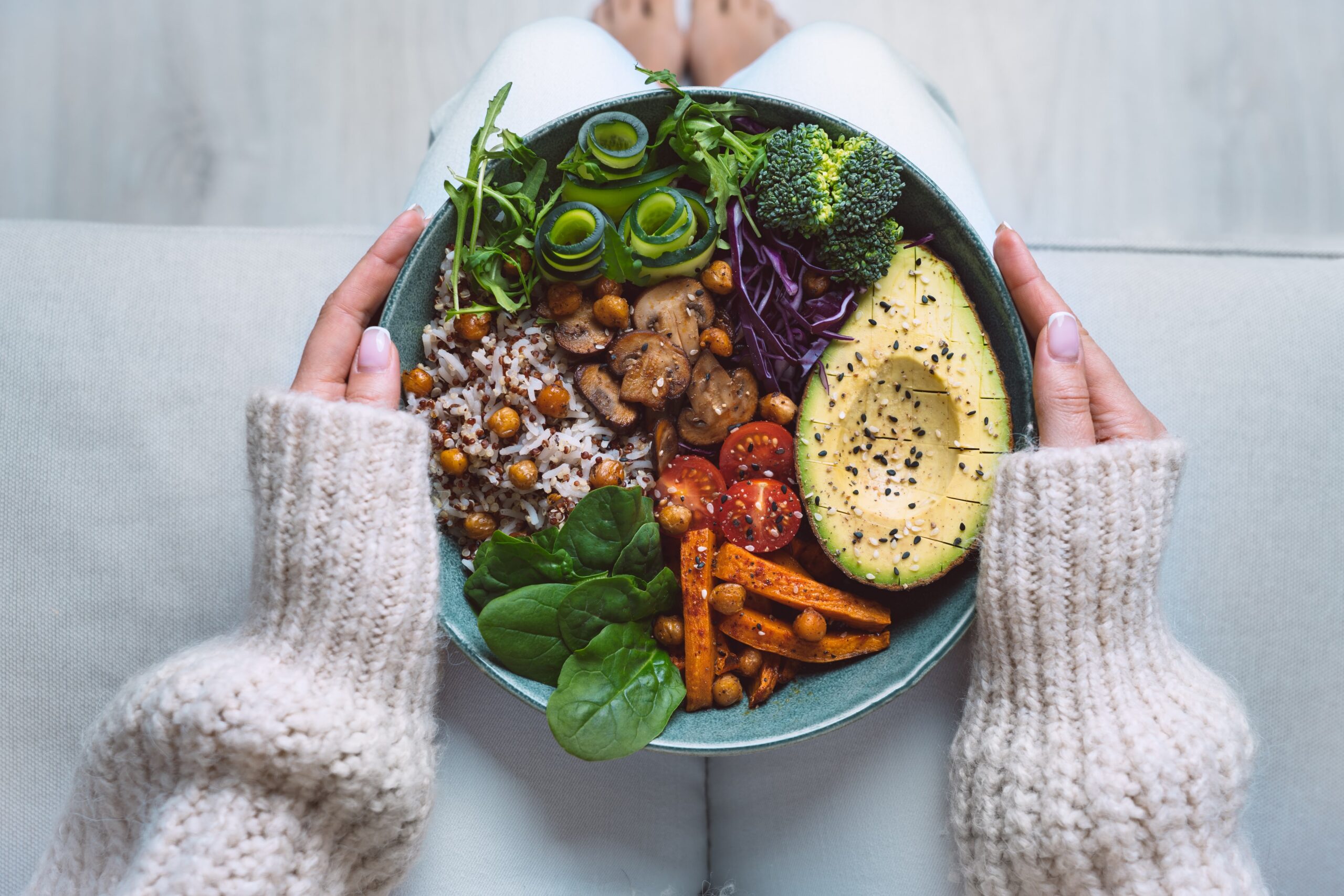
Fiber-rich foods such as onions, asparagus, leeks, green bananas, artichokes, sunchokes, and leafy greens provide essential nourishment for healthy gut bacteria. Fermented foods like yogurt, sauerkraut, and kefir can support gut health, as long as they’re well-tolerated.
Polyphenol-rich options like colorful berries, spices, and herbs offer unique benefits for a thriving microbiome. We are unable to digest many polyphenols, yet our microbiome can, and as a result produces valuable compounds for us.
Overall, food diversity is a friend to the microbiome, so your conventional fruits and vegetables, such as carrots, celery, cucumbers, tomatoes, and more, all play important roles in gut health. Be mindful that diets like the carnivore diet or macro-eating plans common to bodybuilding protocols can yield great results, yet if food choices are kept narrow over multiple weeks and months, the gut’s microbial diversity can be affected.
What to Avoid:
Processed foods, refined sugars, and artificial additives can disrupt your gut’s delicate balance. While cow’s milk and gluten-containing grains have some inherent prebiotic benefits, many adults experience sensitivities or intolerances to these foods, making them less ideal choices for gut health.
Dairy is common because we stop producing lactase considerably after age 2, and it contains much more casein than human milk.
Wheat is common because it contains gluten. When gluten is broken down by the body to gliadin and glutenin, humans do not produce the DPP-IV enzyme that is necessary to break down gliadin.
As a result, wheat intake causes transient leaky gut in ALL who consume it (7; 8; 9) – a gateway then to creating sensitivities and allergies. Both can disrupt the health of the gut mucosal lining and the microbes that live on it.
Glyphosate, a residue left by Roundup use in agriculture, is often sprayed on wheat to make it easier to harvest. Glyphosate formulations often include surfactants, which help them adhere to plants. Surfactants have soap-like properties, improving texture and consistency by helping oil and water mix. It is possible for surfactants to “wash away” components of the gut mucosal layer, leading to leaky gut. Other agents are used to thicken foods or preserve food and may cause issues in the gut.
Some additives to look out for include carrageenan, guar gum, polysorbate 80, carboxymethylcellulose, maltodextrin, locust bean gum, agar, and mono- and diglycerides.
You’ll commonly find these and similar chemicals in processed foods like ice creams, pastries, yogurt, deli meats, sausage, dressings, and sauces.
Take Microbiome-Supporting Supplements for Gut Health
Probiotics:
High-quality probiotics help support microbial diversity and promote gut healing.
High-quality probiotics contain live organisms that remain potent through their expiration date and can be delivered safely past stomach acid. Some strains need extra attention to minimize temperature fluctuation and benefit from a dark glass bottle.
While specifics can depend on your individual profile, I like Megasporebiotic, TrubifidoPRO, and TheralacPRO.
Prebiotics:
Prebiotic supplements nourish beneficial bacteria, enhancing their growth. When combined with probiotics, they create a synergistic “synbiotic” effect, amplifying their overall benefits. I like MegaPre and SunFiber because they preferentially target beneficial bacterial strains and are well tolerated. Other formulas or fiber types might be introduced later, but those are my favorites because they reduce the risk of promoting overgrown bacteria.
Some bacterial strains are normal and healthy, but can become problematic when overgrown. Some prebiotics promote these bacteria, and that can be problematic if they’re overgrown.
Polyphenol supplements also have prebiotic benefits. While eating a mix of berries for snacks during the week like blueberries, blackberries, and strawberries, when supplementing, I like Polyphenol Booster by Pendulum that concentrates active extracts at levels you’re less likely to get from whole foods.
Postbiotics:
Postbiotics are the beneficial compounds produced by healthy gut microbes. While we can’t always replace the microbes themselves, we can supplement their by-products to support gut health. Options like Sunbutyrate or Ther-biotic Postbiotic deliver these helpful by-products to support the microbiome. These substances help to nourish our gut health, immune system, metabolic processes, brain health, and more. The next wave of growth in gut health supplements will be led by research on postbiotics.
Mucosal Support:
A healthy gut lining is essential for beneficial microbes to thrive. Products like MegaMucosa and MegaIgG provide the nutrients needed to maintain the gut’s mucosal barrier and promote an anti-inflammatory environment for optimal gut health. Paying attention to healthy probiotics, prebiotics, and postbiotics work together in a dynamic system to promote a healthy gut lining; each factor supports the health of the others when not in sufficient supply.
Make Lifestyle Changes to Support the Microbiome
- Spend time outdoors, go hiking in nature, and consider gardening to expose yourself to healthy microbes.
- Reduce over-sanitization by cleaning in ways that preserve beneficial bacteria. Modern hygiene practices, such as frequent use of mouthwash or harsh shower products, can disrupt the delicate balance of your microbiome. I like Dentalcidin toothpaste, SIV Biome Balancing Serum, and AnneMarie Skincare.
To help figure out what products may be harmful, I like the Environmental Working Group’s cosmetic database. - Prioritize sleep and manage stress to improve microbial diversity.
Consider Gut Microbiome Testing
At-home tests like BiomeFx can analyze your gut bacteria and provide actionable insights to tailor your approach and help you understand your gut’s propensities.
Moving Forward with a Healthy Microbiome
Your microbiome is the foundation of your health. This invisible ecosystem impacts everything from digestion to mental clarity. The best part? Simple changes—like adding more fiber to your meals, taking a quality probiotic, or spending time outdoors—can make a big difference.
Start with one small step today with something you learned above. Your microbiome will thank you, and your body will too.