Right now, tucked into the lining of your gut wall, a colony of bacteria is deciding how much of the outside world actually gets inside your body. If you follow the gut health conversation, you have likely heard its name: Akkermansia muciniphila.
First isolated from human feces in 2004, this strictly anaerobic bacterium constitutes roughly 0.5 to 5 percent of the healthy intestinal tract (1). Researchers call it a keystone strain because it consistently appears in healthy guts and disappears when metabolic health takes a hit (2). In my practice, I look closely at this specific strain anytime a gut protocol stalls. Here is why this single organism carries so much weight.
Already know you need Akkermansia? Skip the read and explore our clinically vetted Akkermansia formulas and prebiotic boosters:
What Does Akkermansia Do? The Housekeeper of Your Gut
The name gives the game away. “Muciniphila” means mucus-loving. This bacterium lives concentrated in your intestinal lining, using mucin as its primary fuel source.
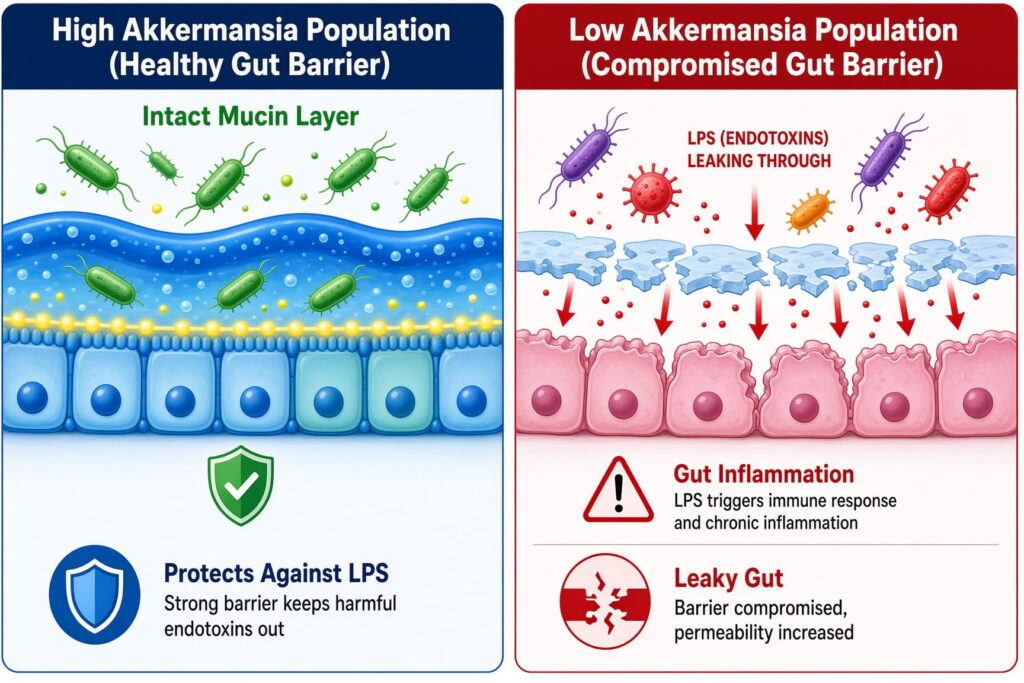
Think of this microbe as your gut’s housekeeper. It consumes old, shed mucus, generates helpful byproducts, and clears space for your body to lay down a fresh layer. Research shows that, despite eating mucin for fuel, its presence correlates directly with a thicker mucus layer, faster intestinal renewal, and a stronger overall barrier (1).
Housekeeping never stops.
A stable mucus layer matters because that same layer houses the rest of your beneficial bacteria. By keeping the space clean, Akkermansia maintains the living conditions for trillions of its microbial neighbors.
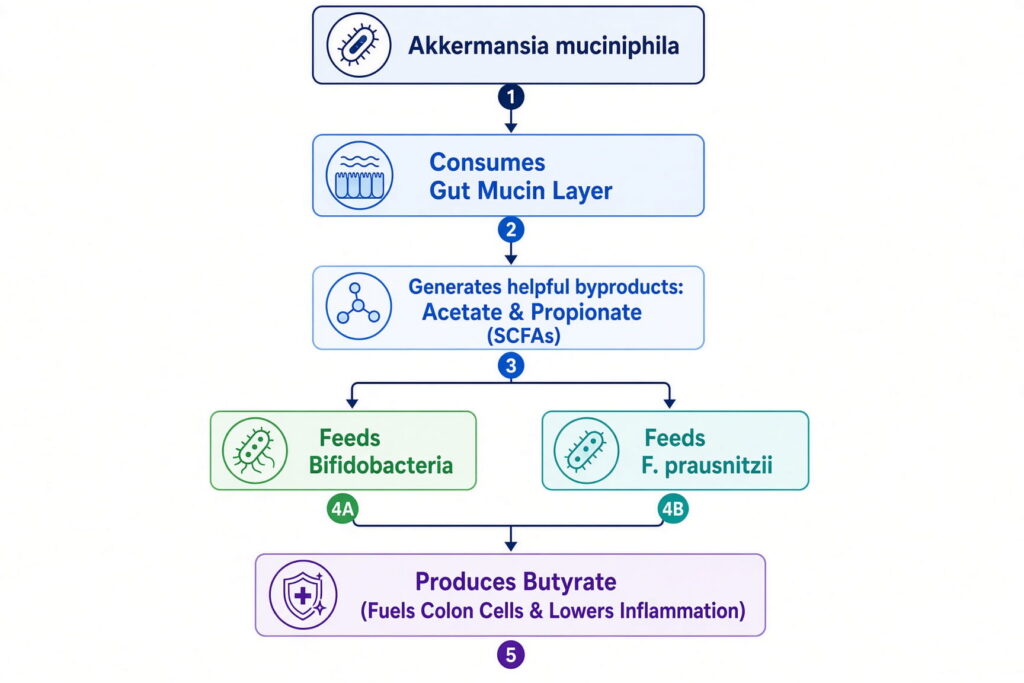
It works like a chef. Breaking down mucin yields short-chain fatty acids, primarily acetate and propionate (3). Those SCFAs travel to cells lining your gut and trigger the release of hormones that help regulate your appetite (4). The same metabolites feed other beneficial bacteria. You build a thriving ecosystem rather than relying on a single strain to work alone.
A well-kept home attracts fewer pests. By strengthening the intestinal barrier, Akkermansia keeps out unwanted molecules, including lipopolysaccharides (LPS) (5). LPS is the marker most closely tied to a compromised gut barrier and systemic inflammation (6).
One microbe feeds the whole system.
Top Akkermansia Benefits for Your Health
Modern diets lack diversity. That narrowness manifests as reduced microbiome diversity, including lower Akkermansia counts in people experiencing inflammation and immune imbalances. High Akkermansia abundance strongly associates with metabolic health (7).
Metabolic Support and Healthy Weight
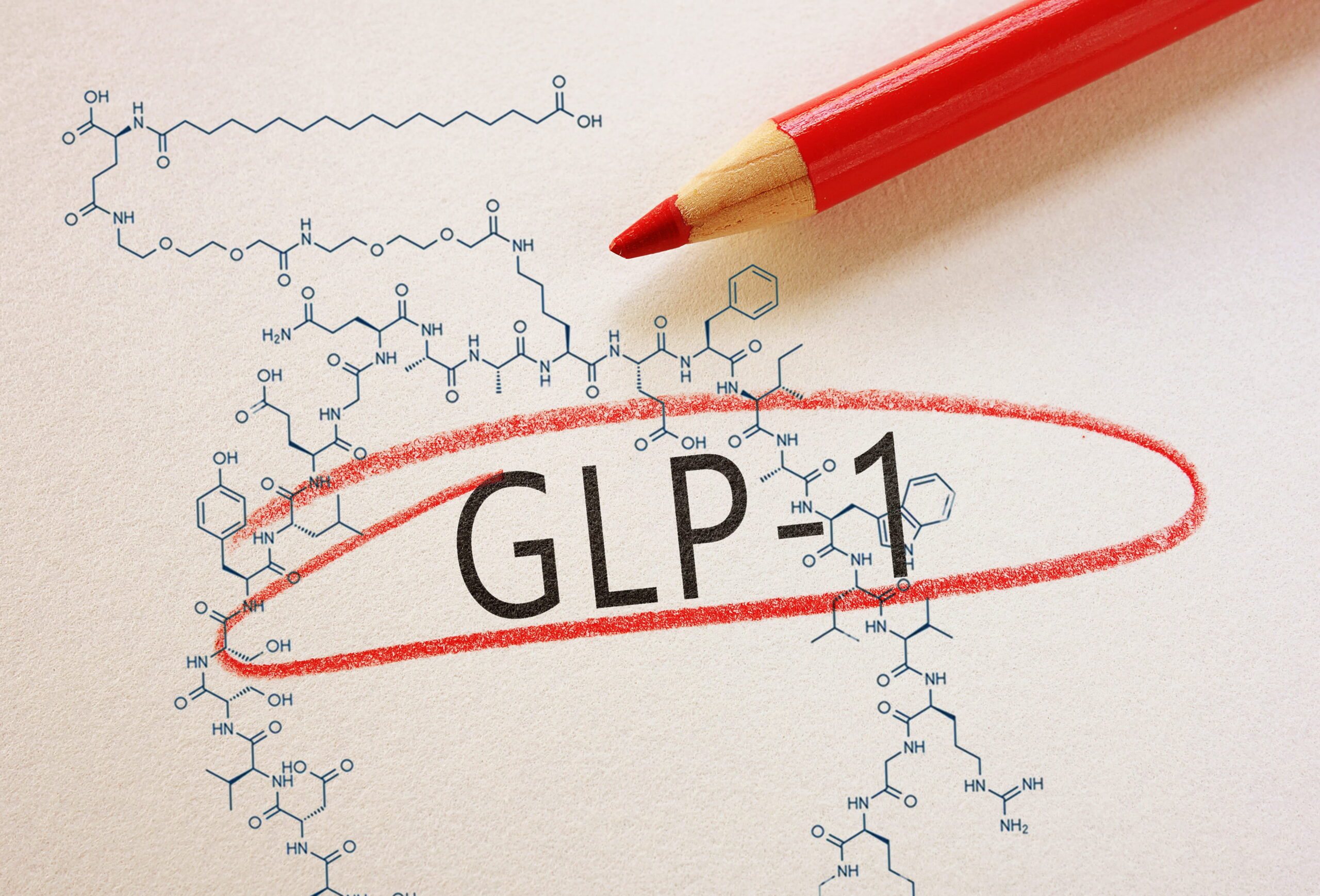
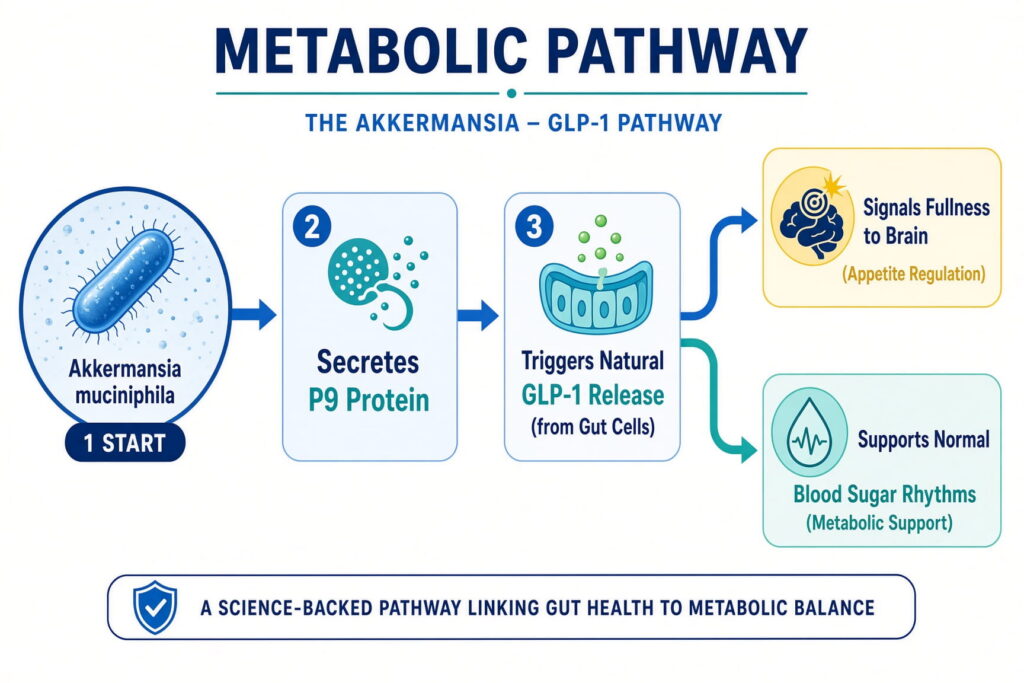
Your Akkermansia levels track inversely with body weight and metabolic strain. This bacterium secretes a specific protein, P9, that triggers thermogenesis (8). That same P9 protein increases the secretion of GLP-1, the hormone your gut releases to signal fullness to your brain and support normal blood sugar rhythms (9). In animal studies tracking diet-related weight gain, Akkermansia supplementation supported healthy body weight and composition (10).
This natural pathway is especially critical for those transitioning off prescription GLP-1 agonists, where baseline hormone output has been temporarily suppressed. To discover how to use Akkermansia as part of a post-peptide transition stack, see our comprehensive guide on stopping Ozempic weight regain.
Healthy Aging and Longevity
Aging works against this organism. Older adults consistently have lower Akkermansia abundance than younger adults (11). Centenarians break that pattern. People who live past 100 tend to have expanded Akkermansia populations, suggesting a link between this organism and long-term vitality (12). In animal models, supplementation during aging thickened the colonic mucus layer, calmed inflammation markers, and supported cognitive performance (13).
Your gut ages too.
Signs of Low Akkermansia and How to Test for It
Because Akkermansia maintains the protective barrier between your gut contents and your bloodstream, low levels often manifest as systemic issues rather than localized stomach pain. Secondary signs of low Akkermansia include elevated endotoxins, new or worsening food sensitivities, and chronic low-grade inflammation.
How do you know for sure if your levels are depleted? In my clinic, testing provides the clearest answer. Gut microbiome sequencing, like a BiomeFx test, measures Akkermansia abundance directly. It uses whole-genome sequencing to identify specific strains far more accurately than older methods.
What Causes Low Akkermansia?
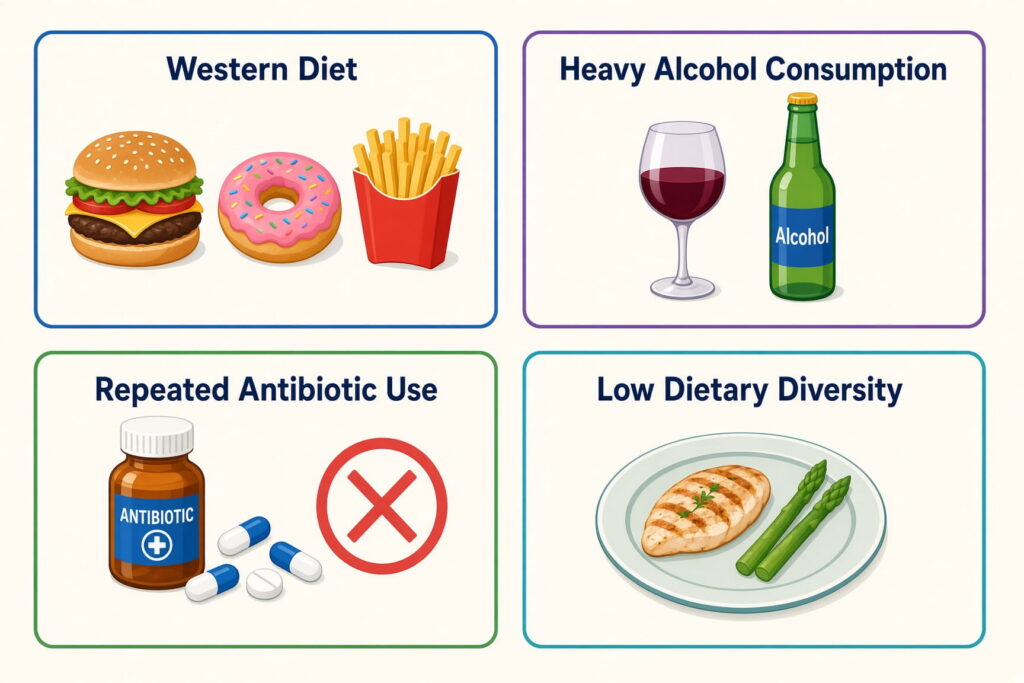
You are not born with low Akkermansia. Your environment and choices dictate its survival. Specific lifestyle patterns drive these levels down rapidly:
- High-Fat, High-Sugar Diets: Standard Western diets starve this bacterium of the specific fibers it needs to survive, allowing competing, less helpful strains to take over.
- Heavy Alcohol Consumption: Excessive alcohol intake damages the gut lining directly and creates an inflammatory environment where Akkermansia struggles to establish a foothold.
- Repeated Antibiotic Use: Broad-spectrum antibiotics eliminate beneficial strains along with harmful ones. Because Akkermansia relies on a complex network of cross-feeding from other bacteria, it often struggles to rebuild its numbers after an antibiotic cycle.
- Low Dietary Diversity: Eating the same five foods every week limits the types of microbes your gut can support.
How to Increase Akkermansia Muciniphila Levels
Healing the gut mucosa remains an essential step of any gut protocol. You can start supporting Akkermansia growth proactively today, without waiting on a test result. You have two main options: take it directly, or feed the population you already have.
Akkermansia Supplements: Live vs. Pasteurized Probiotics
You can now supplement directly with targeted probiotic formulas. Interestingly, Akkermansia does not even need to be alive to help. Extensive research shows pasteurized, heat-killed A. muciniphila performs incredibly well (14). On some metrics, it slightly outperforms the live version.
| Feature | Live A. muciniphila | Pasteurized A. muciniphila |
|---|---|---|
| State | Actively living bacteria. | Heat-killed bacteria. |
| Core Benefit Mechanism | Degrades mucin, produces SCFAs (acetate/propionate). | Utilizes an outer membrane protein called Amuc_1100. |
| Barrier Integrity | Strengthens gut barrier function and helps balance the gut microbiome. | Amuc_1100 binds directly to Toll-like receptor 2 (TLR2) on gut cells, strengthening gut barrier function (15). |
| Metabolic Impact | Supports healthy metabolic and cardiovascular function. | Supports healthy body composition and metabolic rate. |
If you are looking for a live strain, Pendulum Akkermansia was the first to bring a shelf-stable formula to the market. It’s the market leader.
See all Pendulum products.
See all Akkermansia supplements.
Can You Get Akkermansia from Food?
Patients often ask me for a list of foods containing Akkermansia muciniphila. The short answer is: there are none. You cannot get this bacterium from eating yogurt, kimchi, or sauerkraut. It is an anaerobic bacterium native only to the gut. To increase your levels through food, you have to feed the bacteria already living inside you. While Akkermansia is not found directly in food, the compounds that feed it are found in some foods and supplements.
The “Akkermansia Diet”: Best Prebiotics to Fuel Your Gut
If you want to cultivate your own internal Akkermansia garden, feed it what it actually eats. Dietary changes offer a highly effective, conservative strategy for raising its abundance. Here is what it prefers:
- Polyphenol-Rich Foods: Akkermansia thrives on anti-inflammatory polyphenols. Add deep red, purple, and blue foods to your diet. Focus on berries, grapes, black raspberries, pomegranates, and green tea. Researchers extensively study polyphenol-rich cranberry extract as a means of preferentially supporting and maintaining these levels. I like Cran-Max because its polyphenol extraction is from all components of the cranberry, not just the juice.
- Prebiotic Fibers: Fructooligosaccharides (FOS) and inulin are the fertilizers this strain needs to multiply. You can find these prebiotic fibers in supplements like MegaPre, or naturally in foods like garlic, onions, leeks, and asparagus. They stimulate growth directly. Pendulum also formulated a product called Polyphenol Booster based on this same strategy.
| Target Action | Best Food Sources | Recommended Supplements |
| Provide Polyphenols | Pomegranates, blackberries, black raspberries, green tea, dark grapes | Cran-Max (Cranberry extract), Pendulum Polyphenol Booster |
| Provide Prebiotic Fiber | Garlic, onions, leeks, asparagus, Jerusalem artichokes | FOS / Inulin blends, MegaPre |
How Akkermansia Works with Other Probiotics
You rarely fix a gut by isolating a single variable. Akkermansia acts as a keystone strain, meaning its survival dictates the survival of the rest of the neighborhood.
When Akkermansia breaks down mucin, it releases acetate (16). Other crucial beneficial strains, such as Faecalibacterium prausnitzii and Bifidobacteria, use that acetate to produce butyrate (3). Butyrate is the primary energy source for your colon cells. This process, called cross-feeding, is why functional medicine practitioners often recommend taking Akkermansia alongside a broad-spectrum, spore-based probiotic. You are kickstarting the entire metabolic supply chain.
Are There Any Side Effects to Akkermansia Supplements?
Akkermansia supplements are generally very well tolerated, but anytime you introduce a keystone strain into a depleted gut ecosystem, a transition period occurs.
As Akkermansia begins degrading old mucin and shifting the balance of power in the microbiome, you may experience mild, temporary gastrointestinal adjustment symptoms. This can include light bloating, gas, or changes in bowel movements during the first few days of supplementation. This is a normal sign that the microbial landscape is shifting.
However, context matters. Akkermansia is not a magic bullet. In a severely compromised gut stripped of dietary fiber, Akkermansia can create space for opportunistic bacteria to exploit the mucus layer it degrades, driving irritation rather than calming it. This strain works best inside a balanced, diverse, well-fed ecosystem. Balance matters more than dose.
Frequently Asked Questions (FAQ) About Akkermansia
How long does it take for Akkermansia supplements to work?
Most clinical studies tracking the metabolic and gut barrier benefits of Akkermansia measure outcomes over a 4- to 12-week period. While you may notice digestive shifts sooner, give the protocol at least three months to see structural changes.
Should I take Akkermansia with food or on an empty stomach?
Follow the specific instructions on your product label. For live strains like Pendulum, it is typically recommended to take the capsule with food to help buffer the stomach acid and ensure the live bacteria survive the journey to your lower intestines.
What is the difference between Pendulum and other Akkermansia brands?
Because Akkermansia dies in the presence of oxygen, it is incredibly difficult to manufacture. Pendulum holds the patent on the specific anaerobic manufacturing process required to keep the Akkermansia strain alive and stable in a capsule. Other brands may utilize pasteurized (heat-killed) versions or focus strictly on prebiotic blends designed to feed the strain, rather than delivering live organisms.
Keeping this strain healthy relies on science, not guesswork. Its reach extends well past your gut and touches the health of your entire body. Feed it the polyphenols and fibers it prefers, and you support an organism already working around the clock to keep your internal barriers to your house clean.
Where to Buy Akkermansia Supplements
You will not find this specific strain sitting on a shelf at your local grocery store or standard pharmacy. Because live Akkermansia requires strict anaerobic manufacturing to survive, you need to source it from vetted, clinical-grade distributors.
I stock the specific formulations I trust and use with my own patients. You can purchase Pendulum Akkermansia, along with the exact prebiotic blends designed to feed it, directly through my online dispensary.
If you want to stop guessing and start rebuilding your gut barrier deliberately, you can explore the targeted formulas here:
→ How to Supplement with Akkermansia Supplements
Related Articles & Gut Health Deep Dives
- How to Improve Microbiome Gut Health: Look beyond a single strain. Discover the daily habits and dietary shifts needed to build a resilient ecosystem where Akkermansia naturally thrives.
- Probiotics and Gut Health: What You Need to Know: Before diving into specific strains, ensure your foundation is solid. Learn how different probiotics work together to balance digestion and boost immunity.
- Postbiotics: The Hidden Heroes of Gut Health: It is not just the bacteria—it is what they produce. Learn how postbiotics act as crucial signaling molecules for metabolism and inflammation.
- Short-Chain Fatty Acids: Benefits for Gut Health, Immunity, and Beyond: When Akkermansia breaks down mucin, it makes SCFAs. Dive into how these powerful compounds fuel colon cells and regulate your appetite.
- Plant Polyphenols: The Next Generation of Prebiotics: Akkermansia loves polyphenols. Explore how the vibrant compounds in berries and green tea selectively crowd out bad bacteria and feed the good.
- A New Age of Precision Prebiotics to Selectively Target Beneficial Gut Microbes: Not all fiber is created equal. Learn how precision prebiotics act as specialized fertilizer to boost Akkermansia without feeding opportunistic bugs.
- The 7 Core Strategies to Heal the Gut Lining and Manage Leaky Gut: Low Akkermansia is a red flag for a compromised gut barrier. Explore 7 clinical strategies to repair your mucosal lining and effectively manage leaky gut.