Your liver is working overtime to move fat out, and it is quietly running short of the one molecule that makes that possible.
The Hidden Drivers of Cellular Aging
Most people treat fatty liver, brain fog, and metabolic slowdown as separate, unrelated problems. More often, they share a single cellular root: the slow degradation of the membranes that hold our cells together.
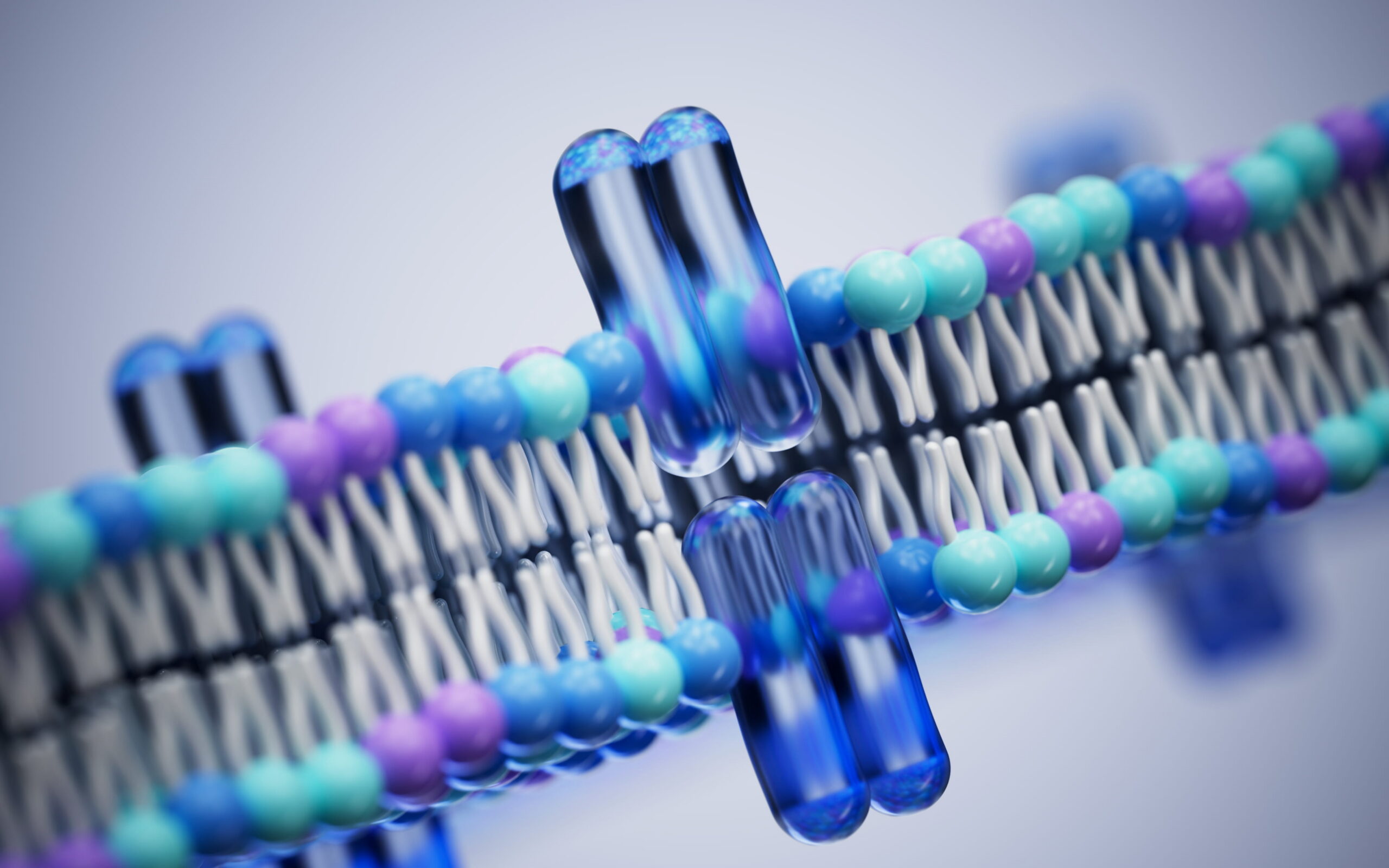
With age, your cells become less efficient at producing energy. At the same time, the production of these membrane-building fats naturally declines. This drop in structural lipids is a quiet, overlooked trigger behind both cellular and mitochondrial aging (1).
The modern diet and the aging process both deplete these lipid stores, and genetic and hormonal bottlenecks make the shortfall worse. Three molecules sit at the center of the problem: phosphatidylcholine (PC), phosphatidylethanolamine (PE), and phosphatidylserine (PS). Together they form the physical structure of every cell membrane and supply the raw material your liver, brain, and mitochondria rely on to function.
That thread runs from the liver, where PC controls how fat is exported, to the brain and mitochondria, where these same lipids protect memory and energy production.
What Is Phosphatidylcholine?
Phosphatidylcholine (and its partner, phosphatidylethanolamine [PE]) are the two most abundant phospholipids in human cells. For decades, they were viewed as simple structural bricks in the cell’s outer wall, but that picture is incomplete.
These phospholipids are far more dynamic than their structural role suggests. Beyond giving the membrane its shape and fluidity, they act as storage compounds and building blocks: the body draws on them to produce signaling molecules and, in specific tissues, the components of key neurotransmitters. In other words, PC and PE are both the wall and the supply depot, which is why a shortage tends to show up in several systems at once rather than in isolation.
The Choline-Liver Connection: How Deficiency Drives Hepatic Steatosis
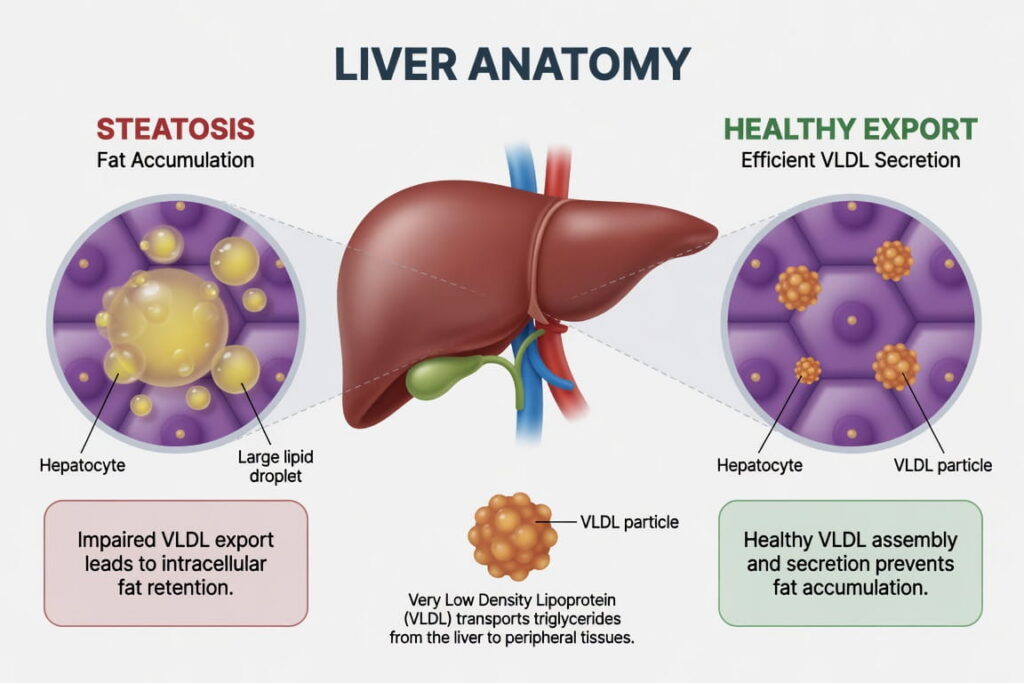
The liver depends on phosphatidylcholine to move fat. PC is required for the assembly and secretion of very low-density lipoprotein (VLDL), the particle the liver uses to package triglycerides and cholesterol and ship them out into the bloodstream (2).
When PC runs low, or when the ratio of PC to PE is disturbed, that export system stalls. Triglycerides accumulate inside liver cells instead of leaving them, and the result is hepatic steatosis, better known as fatty liver (3).
This mechanism completely reframes non-alcoholic fatty liver disease (NAFLD). At its core, NAFLD isn’t just about excess calories or alcohol. It is a fat transport problem driven by a shortage of the right cellular building blocks.
How PC:PE Balance Determines Liver Fat Clearance
| When PC:PE Is Balanced | When PC:PE Is Disrupted |
|---|---|
| VLDL assembles normally | VLDL assembly stalls |
| Liver packages and exports triglycerides | Triglycerides accumulate in liver cells |
| Fat clears from the liver efficiently | Fatty liver (hepatic steatosis) develops |
| Liver maintains healthy structure | Inflammation and scarring risk increases |
The PEMT Enzyme, Genetics, and Menopause
Diet is not the only source of choline. The liver has its own internal route to make phosphatidylcholine through the enzyme phosphatidylethanolamine N-methyltransferase, or PEMT, which converts PE directly into PC. This is the only pathway in the body capable of synthesizing choline from scratch.
This pathway is under direct hormonal control. Estrogen activates PEMT gene expression, and people who carry a higher-risk genetic variant (rs12325817) have this vulnerability sitting right beside the gene switch estrogen uses to turn production on (4, 5). In controlled feeding studies, premenopausal women carrying one or two copies of this variant were far more likely to develop signs of organ dysfunction, including fatty liver, when placed on a low-choline diet, with roughly 21 times the risk compared to women without it (6, 7).
Because estrogen activates PEMT in the first place, this same variant becomes far more consequential after menopause, when estrogen falls and the gene loses its main activating signal.
A second variant (V175M, also cataloged as rs7946) has appeared in some studies of fatty liver risk, though results across study groups point in opposite directions. The evidence for it is less settled than for the estrogen-linked one, but the underlying pattern holds.
The connection between menopause and fatty liver runs directly through this PEMT pathway. Postmenopausal women become markedly more susceptible to fatty liver and membrane breakdown unless they raise their choline intake to compensate. This is one of the more overlooked drivers of metabolic change after that transition.
Phosphatidylcholine, Acetylcholine, and Brain Health
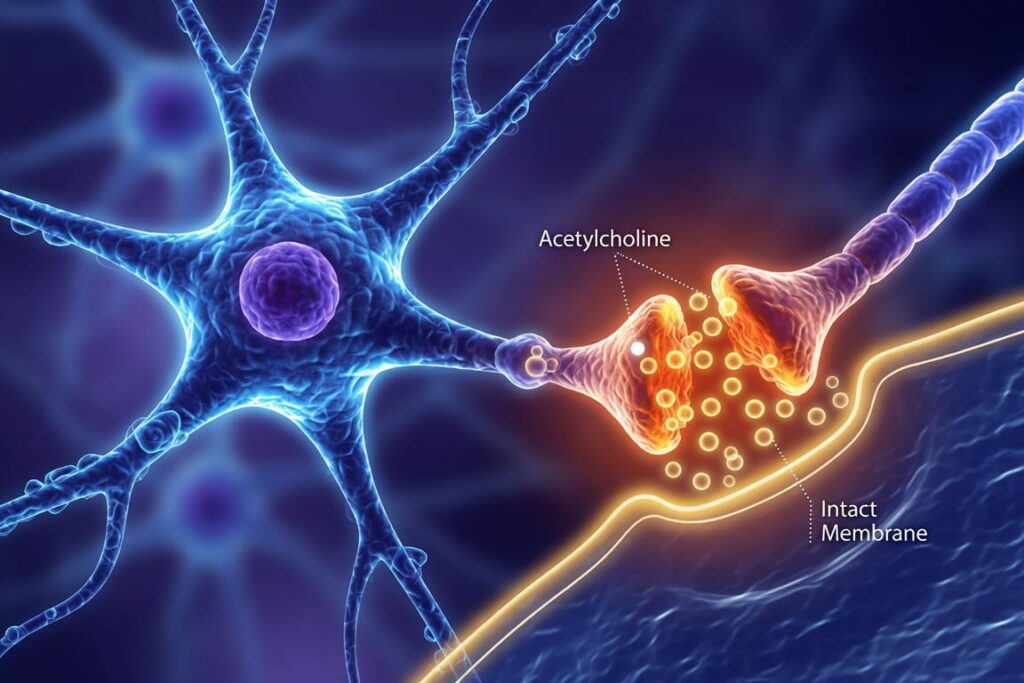
Choline for memory and cognitive function works through a specialized group of nerve cells that depend entirely on acetylcholine to operate. They use choline in two ways at once: as a structural component of their own membranes in the form of PC, and as the direct precursor to acetylcholine, the neurotransmitter at the center of learning, memory, and focus.
That double demand creates a vulnerability. What happens when free choline is scarce but the need for acetylcholine is high? The brain resorts to a self-limiting strategy. It actually breaks down its own PC-rich membranes to free up the choline it needs. Over time, this membrane erosion damages the neuron itself. In fact, this structural breakdown is one of the key mechanisms linked to the loss of acetylcholine-producing cells seen in Alzheimer’s disease (8).
Supplying enough choline and PC removes the reason for the brain to draw on its own structure in this way.
Why You Also Need Phosphatidylserine (PS) for Cognitive Protection
Phosphatidylcholine is the foundation, but it also feeds the production of a second brain-critical lipid: phosphatidylserine. The body uses PC and PE as raw material to build PS, which the brain concentrates far more heavily than most other tissues, making up an estimated 13 to 14 percent of total brain phospholipid (9).
PS is required for building new connections between nerve cells and for nerve fiber growth, and it helps keep those membranes flexible enough to signal properly (10). That function is well-supported, but the clinical research behind PS supplementation carries context worth knowing before you dose. The largest and most frequently cited PS trial, a multicenter study of 494 elderly patients with cognitive decline, found significant improvement after six months on 300 mg per day of PS (11).
But that trial used PS extracted from bovine brain tissue, a form no longer available due to BSE (mad cow disease) safety restrictions introduced in the 1990s. Modern manufacturers derive PS from soy or sunflower lecithin instead, which carries a different fatty acid profile and, in most trials, a more modest effect than the original bovine-derived form.
Even so, the modern evidence is real, not absent. A double-blind trial in elderly Japanese adults with memory complaints found that soy-derived PS at 100 or 300 mg per day improved delayed verbal recall over six months, with the clearest benefit in participants who started with the lowest scores (12). The honest summary: phosphatidylserine for memory support is real and evidence-backed at modern doses, though the benefit is measured rather than dramatic and shows most clearly in older adults already experiencing some degree of decline.
The Mitochondrial Connection: Phospholipids and Cellular Energy
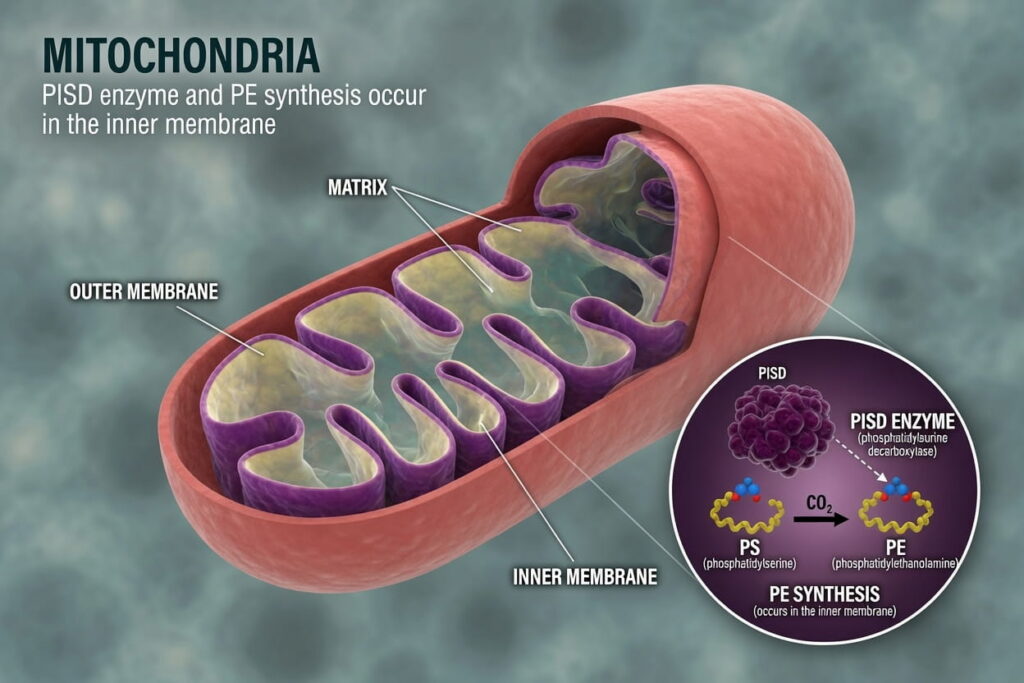
The link between these lipids and aging runs through the mitochondria, the structures that generate almost all of your cellular energy. Mitochondrial membranes are unusually phospholipid-dense, and their performance depends on having the right lipids in the right proportions.
Phosphatidylserine plays a direct role here. Mitochondria draw in PS and convert it directly into PE using a specialized enzyme embedded in their inner membrane. This conversion is not optional: mice engineered without it die during embryonic development, and their mitochondria appear visibly malformed and fragmented under the microscope (13).
In cell studies, even a partial reduction in mitochondrial PE, well short of complete loss, measurably impairs cellular energy production, reduces the cell’s output of usable fuel, and distorts mitochondrial shape (14).
This is what ties the picture together. The same phospholipids that let the liver export fat and let neurons make acetylcholine also shape the inner membranes where your cells generate energy. A shortfall in any of these building blocks ripples across all three systems at once, making membrane lipid support a whole-body concern rather than a single-organ fix.
How Much Phosphatidylcholine Do You Need?
The right phosphatidylcholine dose starts with the official baseline. The Adequate Intake for choline is 425 mg per day for adult women and 550 mg per day for adult men (15). Those figures represent the minimum needed to prevent overt deficiency, which sits well below the threshold for optimal liver and brain function.
Food can contribute meaningfully. Whole eggs and beef liver are the most concentrated dietary sources, with salmon and other animal foods providing smaller amounts. For many people, though, diet alone falls short of the target, and the gap is widest exactly where the need is greatest: in carriers of estrogen-linked PEMT variants and in postmenopausal women whose internal PC production has dropped.
Choline Content in Common Foods
| Food | Serving | Approx. Choline (mg) |
|---|---|---|
| Beef liver, cooked | 3 oz (85g) | 356 |
| Chicken liver, cooked | 3 oz (85g) | 222 |
| Egg, whole (cooked) | 1 large | 147 |
| Soybeans, cooked | ½ cup | 107 |
| Ground beef, cooked | 3 oz (85g) | 81 |
| Salmon, cooked | 3 oz (85g) | 62 |
| Wheat germ | 1 oz (28g) | 51 |
| Broccoli, cooked | ½ cup | 31 |
Source: USDA FoodData Central. Values are approximate and vary with preparation method. Dietary Adequate Intake: 425 mg/day (women), 550 mg/day (men).
That shortfall is where targeted supplementation earns its place. Clinical trials testing phosphatidylcholine for liver support have used doses well above that daily target.
A 2025 randomized controlled trial in patients with NAFLD used 2,400 mg per day, split into two doses, and reported improvements in liver function (see graph 1 below), lipids, metabolism, and oxidative stress over the study period (16).
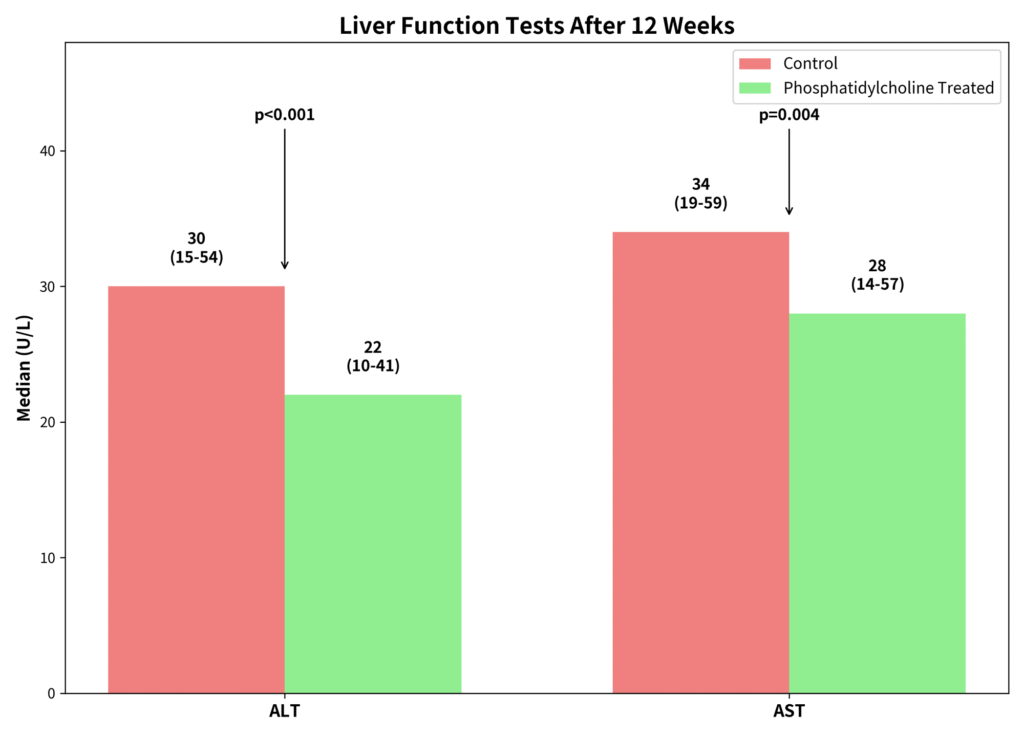
Graph 1: Liver function markers following 2400mg of phosphatidylcholine, taken as a split dose for 12 weeks (1200mg twice daily). Data source: 16.
Phosphatidylcholine Dose: From Baseline to Clinical Range
| Level | Daily PC Amount | Purpose |
|---|---|---|
| Dietary Adequate Intake | 425 mg (women) / 550 mg (men) | Prevent clinical deficiency |
| NAFLD clinical trial (Sedhom et al., 2025) | 2,400 mg/day, split dose | Liver support; oxidative stress reduction |
| BioPath Renew (Doctor Alex Supplements) | 2,500 mg PC per scoop | Liver, brain, and mitochondrial support |
For readers who want to close that gap directly, a combined phosphatidylcholine and phosphatidylserine supplement addresses several of these needs at once.
BioPath Renew from Doctor Alex Supplements is a soy-free, sunflower-lecithin-derived phospholipid blend delivering, on average, 5,840 mg of total phosphatides per 10-gram scoop:
- Phosphatidylcholine (PC): 2,500 mg
- Phosphatidylinositol (PI): 2,000 mg
- Phosphatidylethanolamine (PE): 1,000 mg
- Phosphatidic acid (PA): 400 mg
- Phosphatidylserine (PS): 120 to 140 mg
The PC dose lands close to the range used in the 2025 NAFLD trial cited above, and the PS content sits within the 100 to 300 mg range shown to produce a modest cognitive benefit in older adults in modern, plant-derived PS trials. The body also converts some of this PC into PS and PE on its own, which is part of why a PC-forward formula supports more than a single organ system.
Directions for BioPath Renew call for taking one scoop daily, mixed into a shake or juice, or taken with food. I like taking half a scoop twice a day.
As with any supplement, individual needs vary with diet, genetics, and hormonal status, so it’s worth discussing your specific situation with your healthcare provider.
Ultimately, protecting yourself against fatty liver and cognitive decline comes down to maintaining the structural integrity of your cellular membranes. By actively replenishing these critical phospholipids, you provide the exact raw materials your liver needs to clear fat and your brain needs to preserve memory, ensuring both systems have the anchor they need to age well.
Frequently Asked Questions
What Foods Are Highest in Phosphatidylcholine?
Animal foods are the richest sources by a wide margin. Whole eggs, and the yolk in particular, are among the most concentrated everyday options, followed closely by liver and other organ meats. Salmon, other fatty fish, and red meat contribute moderate amounts.
Plant foods such as wheat germ, soybeans, and sunflower lecithin do contain phosphatidylcholine, but generally in lower concentrations, which is part of why people following largely plant-based diets are at higher risk of falling short of their choline needs. For most people, hitting the daily target through food alone means eating eggs or liver regularly rather than relying on occasional servings.
What Is the PEMT Enzyme?
PEMT, short for phosphatidylethanolamine N-methyltransferase, is an enzyme found mainly in the liver. Its job is to convert phosphatidylethanolamine into phosphatidylcholine, and it is the only way the body can produce choline internally rather than obtaining it from food. Its activity varies from person to person for two main reasons: genetic differences in the PEMT gene itself and hormonal status, since estrogen increases PEMT expression.
People with lower PEMT activity depend more heavily on dietary and supplemental choline to maintain healthy liver and membrane function.
What Causes Fatty Liver?
The causes of fatty liver accumulation fall into several overlapping pathways. The most recognized is excess calorie intake combined with insulin resistance, which drives triglyceride buildup in liver cells. A less discussed but equally important cause is a shortage of phosphatidylcholine, the molecule the liver needs to package fat into transport particles and clear it from the organ.
When choline and PC run low, or when the PC-to-PE ratio is disrupted, that fat-export system slows, and triglycerides accumulate instead of clearing. Genetic variants in the PEMT gene reduce the liver’s internal PC production, and the hormonal drop at menopause compounds the problem. This is why fatty liver can develop even without heavy alcohol use or a dramatically poor diet.
Can a Phosphatidylcholine Supplement Help With Fatty Liver?
It can play an important role. Phosphatidylcholine is required for the liver to package triglycerides into transport particles (called VLDL) and ship them into the bloodstream. Without enough PC, that fat stays trapped in the liver and builds up as fatty deposits.
Supplying additional phosphatidylcholine gives the liver more of the exact material it uses to clear that fat, which is why it is a rational target for supporting a fatty liver, especially in people whose own PC production is limited by genetics or menopause. It works best alongside the standard foundations of liver health, including weight management and reduced intake of added sugars and alcohol.
Can Fatty Liver Be Reversed?
In many cases, yes. Fatty liver is often responsive to change, particularly when it is caught before it progresses to significant inflammation or scarring. Reducing excess body weight, cutting added sugars and alcohol, and correcting nutrient shortfalls, choline among them, can allow the liver to clear accumulated fat and restore more normal function.
How completely it reverses depends on how advanced the condition is and how consistently the underlying drivers are addressed. Because choline and phosphatidylcholine sit directly in the fat-export pathway, ensuring an adequate supply is a sensible part of a broader reversal strategy.
What Is the Best Choline Supplement for a Fatty Liver?
The most useful form is one that supplies phosphatidylcholine directly, since that is the exact molecule the liver uses to package and ship fat out. Plain choline salts can raise total choline, but supplemental phosphatidylcholine delivers the intact phospholipid the liver actually needs.
For people who also want cognitive and mitochondrial support, a broader phospholipid blend that pairs PC with PS and PE covers both the liver and the brain in a single formulation.
What Is the Best Choline Supplement for Brain Health?
The brain has a specific choline demand that plain choline salts only partially address. Phosphatidylcholine delivers choline in the exact structural form the brain uses to build and maintain nerve cell membranes, while also serving as a precursor for acetylcholine production. This dual role makes it the more complete option for cognitive support.
Because sunflower lecithin also contains natural phosphatidylserine in addition to phosphatidylcholine, it covers even more ground. Phosphatidylserine for memory and nerve cell repair works through a complementary pathway, maintaining the flexibility and signaling capacity of brain cell membranes. A combined PC and PS formulation is the most targeted way to address both mechanisms in a single daily protocol.
Related Articles
- Introducing Palmitoylethanolamide (PEA): An Herbal Extract that Modulates Pain and Mood Receptors to Support Inflammation and a Balanced Stress Response: why PEMT gene variants that limit internal choline production also drive the chronic neuroinflammation behind depression, neuropathy, and early cognitive decline.
- Brain Fog: How to Reduce It with the Gut-Brain Connection: how phosphatidylcholine, phosphatidylserine, and PEA work together to repair brain tissue when gut-driven inflammation is at the root of the fog.
- Alpha-GPC and Stroke Recovery: A closer look at alpha-GPC, a related choline compound that raises acetylcholine directly and has shown meaningful results in neurological recovery and cognitive support.
- Should You Be Concerned About Nicotinamide Riboside and Deficiency of Methyl Group Donors?: Why popular NAD+ supplements like nicotinamide riboside can quietly deplete the methyl groups your liver needs to run the PEMT pathway in the first place.
- Natural Liver Support: From Milk Thistle to Curcumin: the plant-based compounds with the strongest clinical evidence for improving fatty liver markers and easing the metabolic load on the liver.
- Maintain a Healthy Blood Sugar Level Naturally by Taking Berberine Before Meals? How poor blood sugar control quietly fuels fatty liver, and why berberine’s activation of the AMPK pathway makes it one of the most targeted natural options available.