Using creatine for brain fog is one of the most underutilized clinical strategies in functional nutrition. While most associate creatine with the gym, emerging research tells a different story. In this new narrative, the brain may demand even more support than the body.
If you’re battling mental fatigue, slow recall, or that frustrating sense of diminishing returns from caffeine, understanding brain energy metabolism is the missing link.
This article breaks down the clinical case for creatine as a cognitive intervention, who benefits most, and why gut health is the hidden variable that determines if you’ll actually feel the results.
The Brain Energy Gap
You know the feeling. A morning where the words come easily, decisions feel obvious, and you’re three steps ahead of every problem before it fully forms. Your thoughts connect faster than you can write them down. Hours pass, and you haven’t once reached for your phone.
Then there’s the other version. The one most people are living in more often than they’d like to admit. The afternoon wall. Re-reading the same paragraph four times. The coffee that used to work and now just keeps you from feeling worse.
The brain fog thickens.
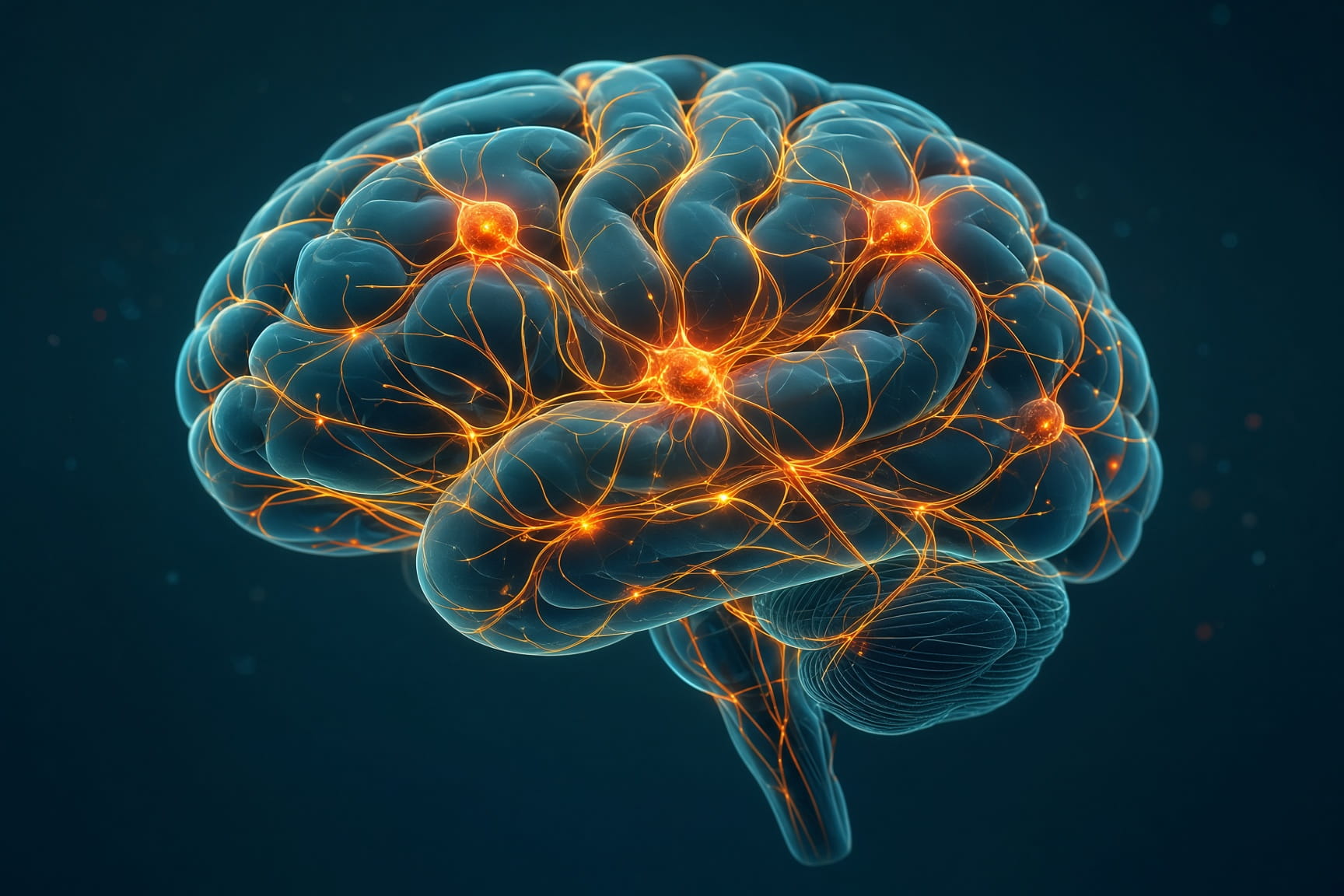
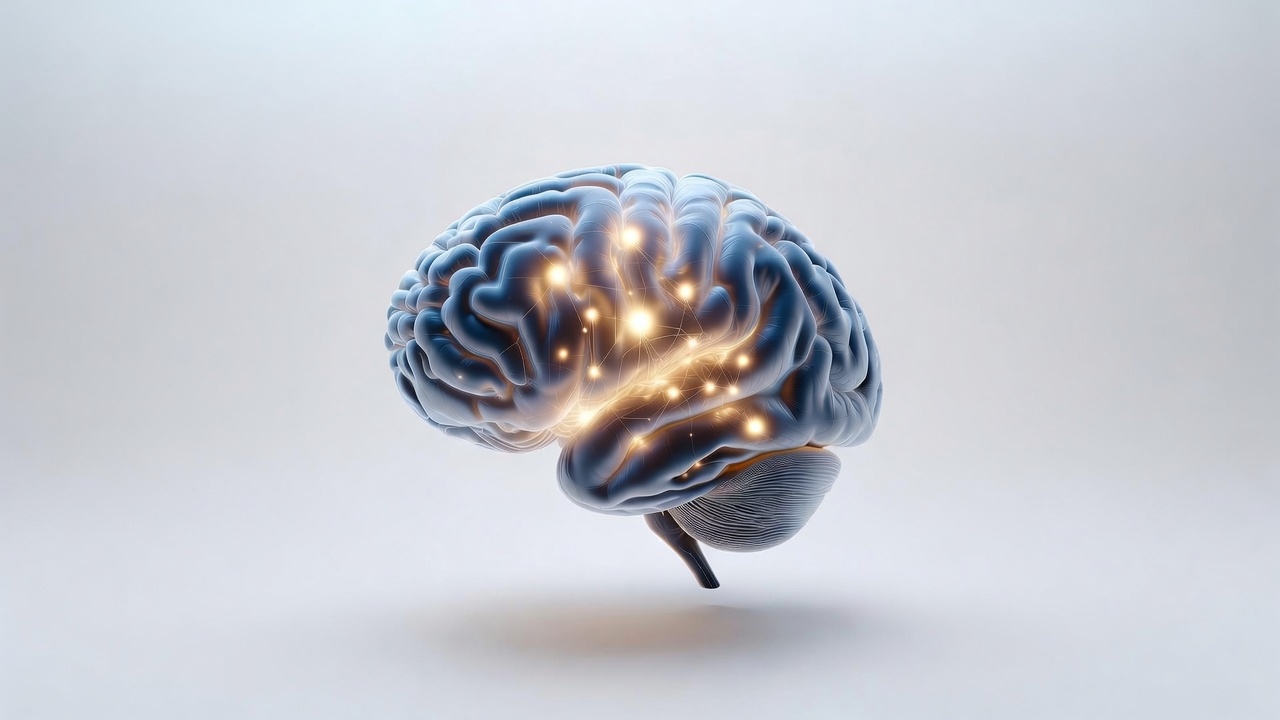
This makes sense when you consider the metabolic demand. While the brain is only a small fraction of your total body weight, it consumes approximately 20% of the body’s total energy to fuel neurotransmitter release and synaptic plasticity (1).
That gap, between the version of your mind that’s fully online and the one that’s running on foggy fumes, is where this conversation starts.
Think of creatine as more than just a gym supplement. It’s actually a vital cellular energy compound that your brain needs just as much as your muscles do, if not more.
The phosphocreatine system that powers explosive reps in the weight room is the same system your neurons use to sustain attention, process information, and recover from mental load.
For people with brain fog, the more interesting question has never been whether creatine will build muscle. Instead, it’s been, “Why does my brain run out of fuel before my day is done?”
Creatine may be a significant part of that answer. For certain people, particularly those with gut dysfunction affecting absorption, it’s often a missing variable in protocols that only got them part of the way there.
Why Creatine is Overlooked
The fitness industry had a 30-year head start on this conversation. And it used every one of those years to cement one idea into the cultural conversation: creatine is for muscle.
It got into the magazines first. It got into the locker room debates first. By the time cognitive research began to accumulate in peer-reviewed journals, the story was already written. Most people had already filed creatine away under “gym stuff” and moved on.
Research on creatine and brain function has been ongoing for over two decades (2). Studies on cognitive performance under sleep deprivation, mental fatigue, and sustained high-stakes decision-making consistently point in the same direction (3).
Vegetarians show some of the most dramatic cognitive responses to supplementation, not because they are unique exceptions, but because their baseline creatine levels are chronically low due to their diet. The data exists. It just never had a marketing budget behind it.
Beyond the Gym: Clinical Applications
The clinical utility extends far beyond simple fatigue. For instance, research highlights creatine’s neuroprotective role in the recovery from traumatic brain injury (TBI), aiding faster cognitive restoration. In children and adolescents, long-term supplementation following TBI has been shown to significantly improve post-traumatic amnesia, mobility, and communication (4). Furthermore, it is gaining traction as an antidepressant augmentation strategy – much like the neuroprotective and mood-stabilizing benefits seen with low-dose lithium orotate – showing faster symptom relief in Major Depressive Disorder by addressing the underlying cerebral energy deficits often found in these patients (5).
Dispelling Creatine Myths
Before creatine can do anything for your brain, it has to get past what you already think you know about it. Many people still hold onto outdated beliefs about creatine formed years ago. These misconceptions persist not because they were ever true, but simply because better, more accurate information hasn’t reached everyone yet.
- The Bloating Myth: This comes almost entirely from the old “loading protocol” (20g/day). That pulls excess water into muscle cells, causing puffiness. A standard maintenance dose of 3-5g reaches the same saturation over time with much lower risk of bloating or water retention.
- The “Lifting Only” Myth: The phosphocreatine system runs in neurons the same way it runs in muscle fibers. Your brain doesn’t care if you’re at a squat rack or a boardroom; it just cares if the fuel is available.
- The “Non-Responder” Myth: If you tried it and “felt nothing,” it’s often a signal about absorption. This is where we look upstream to the gut.
Creatine Throughout the Lifespan: Women’s Health
Women may benefit from creatine more than anyone else in the room. Biologically, women often have 70–80% lower endogenous creatine stores than men, making external supplementation a critical lever for health.
Throughout the lifespan, creatine homeostasis is vital for managing the unique metabolic demands of the menstrual cycle and pregnancy. For women in menopause, the benefits extend to the body’s structure, as creatine helps maintain lean mass and bone density during a period of rapid hormonal transition (6).
Beyond the individual, maternal supplementation during pregnancy may support fetal growth and confer neuroprotection in newborns against intrapartum hypoxia (7).
The ATP Battery
To understand why this works, you have to look at the brain’s energy budget. Your neurons are metabolically expensive; they require a constant, split-second supply of Adenosine Triphosphate (ATP).
When you think hard, you burn through ATP. To get more, your body has to “recycle” the energy it has used. This is where creatine comes in. It stores high-energy phosphate groups (as phosphocreatine) and hands them off to depleted energy molecules the moment they run out.
Think of it this way: Glucose is your primary power grid. Creatine is the backup generator that kicks in the millisecond the grid flickers.
Creatine is Your Brain’s Backup Generator
I often talk to clients who are doing everything “right.” Yet they still describe a “cognitive ceiling,” a point in the mid-afternoon when their mental processing simply hits a wall.
I personally notice a tremendous improvement in cognitive endurance when I take more than 5 grams of creatine per day. If I didn’t have a great night’s sleep, creatine is the first thing I turn to that morning. Instead of adding stimulants, I simply increased my creatine monohydrate intake by 5 grams. Whenever I think I’m hitting a “wall”, I look to where I may need more raw materials or battery backup. Stress only becomes bad when we lack energetic currency to keep up with our demands.
For the brain-fogged individual, the “grid” is often flickering due to stress or lack of sleep. Without that backup generator being fueled up, your neurons slow down to conserve power. That slowness is what you feel as fog.
The Differentiator: The Gut-Brain-Absorption Axis
Most advice on creatine stops at the dose. But as a functional practitioner, I know that intake does not equal uptake. Creatine doesn’t just magically appear in your neurons. It has to be transported. The primary vehicle for this is the SLC6A8 transporter.
Here is the hidden variable: Systemic inflammation, often rooted in the gut, can downregulate these transporters. If you have intestinal permeability (“leaky gut”) or high levels of circulating lipopolysaccharides (LPS), your body’s ability to move creatine into the brain can be compromised.
It isn’t just about moving creatine through the gut; the gut itself is a high-energy organ. Intestinal mucosal cells require large amounts of ATP to maintain barrier integrity.
Studies have shown that reduced creatine transporter expression is directly linked to compromised gut barrier function and Inflammatory Bowel Disease (IBD) (8). When you support the creatine system, you aren’t just fueling your neurons; you are fueling the very walls that protect your systemic health.
The Microbiome Connection
Recent research suggests that our gut bacteria help shape the metabolic environment necessary for nutrient assimilation. If your microbiome is dysbiotic, you do not process and absorb nutrients optimally.
Specifically, emerging research indicates that certain strains of bifidobacteria produce acetate, a short-chain fatty acid that promotes the expression of the intestinal creatine transporter (SLC6A8), thereby widening the absorption highway for improved outcomes (9).
Identical doses yield different results because one person has an optimized “absorption highway,” while the other has a highway full of roadblocks. This is why a “non-response” to creatine is actually useful clinical data; it suggests we need to fix the gut to unlock the brain.
Implementation: Doing it Right
1. Form Matters
Stick with Creatine Monohydrate. It is the most studied, most stable, and most effective form. Marketing for “HCl” or “Buffered” versions often claims better absorption, but the data rarely backs the price tag. I recommend a micronized, high-purity monohydrate to ensure the best solubility.
2. Dosing Without the Drama
For most people, forget the 20-gram loading phase. For cognitive support, 5 grams twice daily is a nice sweet spot. It takes about 3 weeks to reach full saturation, but it avoids the GI distress and water retention associated with high doses.
3. The “Absorption Hack.”
Take your creatine with a small amount of carbohydrate or a warm liquid. The carbohydrate triggers a subtle insulin response that helps “drive” the creatine into the cells (10). Warm liquids help make creatine more soluble. If you’re dealing with gut issues, pairing it with a targeted probiotic can help prime the environment for transport.
Related Products
- Primary Fuel: Opti-Absorb Creatine by Doctor Alex Supplements
- Raw Materials for Stress and Energy: Magnesium, B-Vitamins, and Vitamin C
- Gut Support: Megasporebiotic and/or TrubifidoPRO by Master Supplements
Creatine FAQs
- Is it safe for my kidneys? In healthy individuals, hundreds of studies show no negative impact on kidney function. If you have pre-existing kidney disease, consult your physician, but for the general population, the safety profile is clean. Urinary creatinine will rise as a normal byproduct of taking creatine, not because the kidneys are being damaged.
- Will I lose my hair? The “creatine causes hair loss” claim stemmed from one small study on DHT levels in rugby players years ago. It has never been replicated in larger, controlled trials.
- Can I take it with coffee? Yes. While some older theories suggested that caffeine might counteract the effects of creatine, modern research shows they can work together effectively as a “cognitive stack.” One study showed that taking them together improved cognition more than taking them individually (11).
What You Now Know
Prescription for Success
Creatine is no longer just for the gym. It is a primary cognitive intervention for the modern world. Imagine having the mental energy at 4:00 PM that you usually only have at 9:00 AM.
- It’s a Battery: It provides the “backup power” your neurons need to sustain focus.
- Gut is King: Your ability to feel the effects of creatine depends on your gut health and absorption axis.
- Consistency Over Intensity: 5 grams twice a day, every day, is the path to clearing the fog. On your busiest days, or alongside your highest intensity workouts, you can take an additional 5–10 grams in divided doses. I typically take a scoop in the morning and again in the afternoon. Extra intake would come with the timing of my workout.
Take the Next Step
If you’ve reached a plateau in your energy or mental clarity, it’s time to stop treating creatine like a muscle builder and start treating it like brain fuel.
Related Articles:
Deep Dives for Your Recovery Journey.
- Product: Opti-Absorb Creatine by Doctor Alex Supplements – The form I turn to most for my clients.
- Supplements for Brain Fog – A curated collection of neuro-supportive nutrients.
- The Science-Backed Benefits of Creatine Monohydrate: Beyond Muscle & Performance – A deep dive into the research beyond gym performance.
- Bifidobacterium longum 1714: More than Just a Probiotic for Your Gut – Learn how to manage stress naturally with this psychobiotic.
- Nitric Oxide Supplements for Exercise Performance – Optimizing blood flow for better training results.
- Brain Fog: How to Reduce It with the Gut-Brain Connection – Understanding the gut-level drivers of mental fatigue.