You beat COVID. The fever broke. The cough faded. Your doctor cleared you.
But something didn’t come back with you.
Maybe it’s the fatigue that sits on your chest like a weighted blanket you can’t take off. Maybe it’s the brain fog, that maddening sensation of trying to think through wet concrete. Or maybe you just know, in the way you know your own body, that something fundamental shifted and hasn’t shifted back.
If you’re one of the people who felt something change after vaccination and can’t find your baseline again, you’re here too. I see you.
The internet will hand you a label (Long COVID, post-viral syndrome, post-vaccination syndrome) and then leave you standing there with the label and no map. Labels don’t explain the why. And without the why, you’re just guessing.
So let’s talk about the why.
Key Takeaways
- Forget the psychiatric label. The core problem here is a vascular and mitochondrial energy crisis.
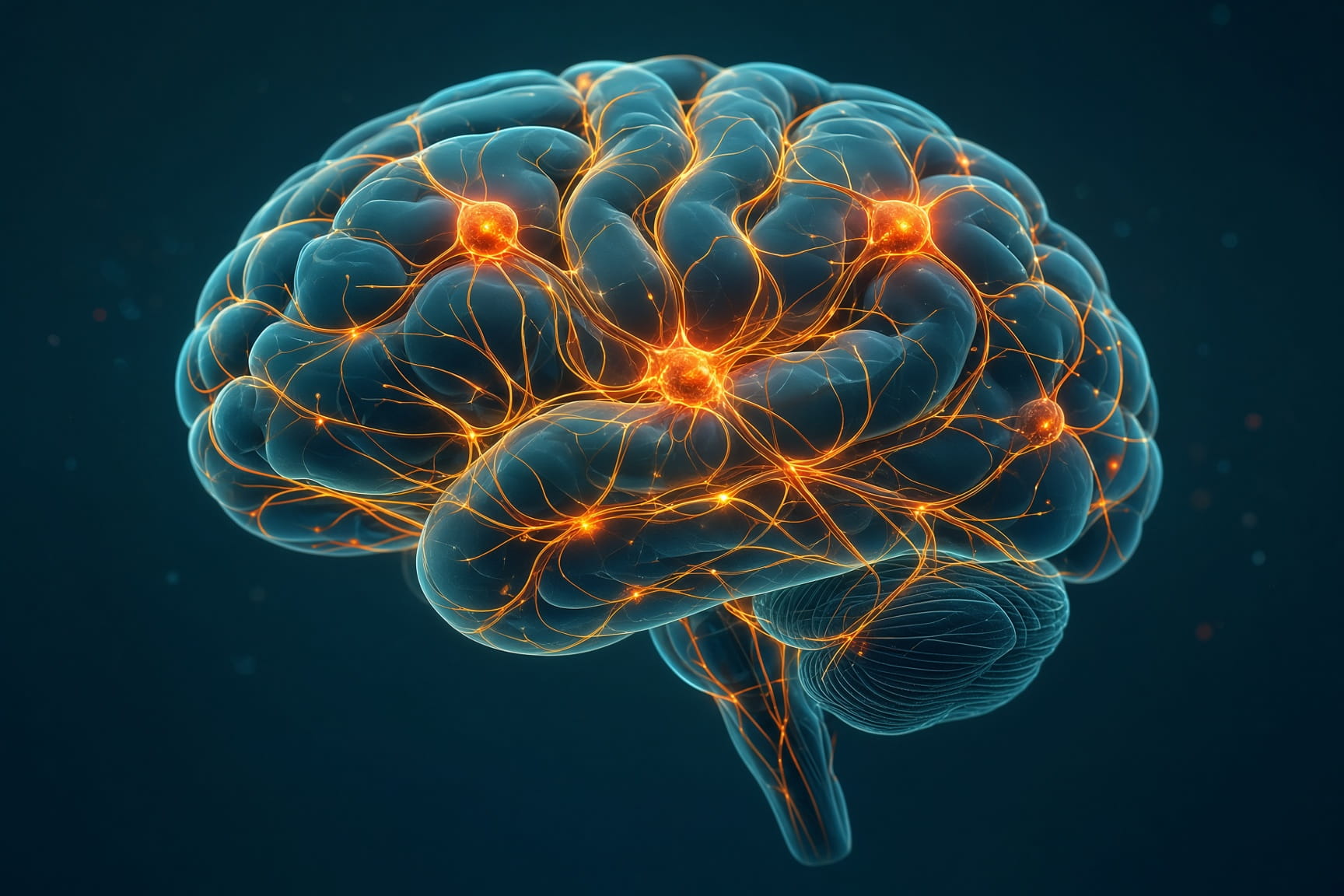
- Brain fog has measurable physical causes, including impaired blood flow and structural changes in the brain.
- Post-vaccination syndrome is real, rare, and shares a common mechanism with Long COVID.
- Your gut can directly drive your brain symptoms.
- Where to start: practical, evidence-informed steps you can act on today.
Your Body’s Fuel-Delivery System Is Under Siege
Here’s the core of what emerging research keeps pointing toward: whether the trigger was the infection itself or, in rare cases, the vaccine, the downstream pattern looks remarkably similar.
Long COVID is a real, multi-system condition affecting millions of people globally, marked by persistent fatigue, cognitive dysfunction, and exercise intolerance that can stretch for months or years after the initial trigger [1]. A longitudinal analysis tracking patients over three years found that cognitive problems and loss of smell can persist well beyond the acute phase of infection [2].
So what’s actually breaking down?
Think of your body as a city power grid. Your mitochondria are the power plants, generating the cellular energy (ATP) that lets you think, move, and exist. Your endothelial cells, the delicate single-cell lining of every blood vessel you have, are the delivery trucks. Their job is to shuttle oxygen, fuel, and nutrients to every tissue in your body, including your very hungry brain.
In Long COVID, both systems appear to be compromised simultaneously.
The delivery trucks are stuck in traffic. A systematic review identified direct viral damage to blood vessel linings, widespread inflammation, platelet activation, and microclot formation that can physically block blood flow [1]. The power plants, meanwhile, are sputtering. And when oxygen and fuel can’t reach tissues efficiently, your symptoms aren’t random. They’re predictable.
A dissertation from the University of Iowa put some numbers to this. Individuals with post-COVID conditions showed blood vessel response times of roughly 61 seconds, compared with about 37 seconds in healthy controls [3]. Standard tests of vessel function looked normal. The speed and responsiveness under demand were where the problem lived. That’s likely why symptoms worsen with exertion. When you push harder, your vascular system can’t keep up.
Look at the data from another angle: elevated inflammatory markers, vessel dysfunction, micro-clotting, and autonomic nervous system dysregulation (including POTS and reduced heart rate variability) are consistently found together in this population [4].
What About the Spike Protein?
One of the most actively investigated hypotheses right now is spike protein persistence.
In Long COVID, studies have detected viral fragments in tissues long after the acute illness resolved [5]. In a subset of people experiencing persistent symptoms after vaccination, a study by Patterson detected vaccine-derived spike protein in immune cells for up to 245 days in chronically symptomatic individuals with no evidence of prior natural infection [6]. Multiple testing methods were used to rule out prior infection, suggesting the source was the vaccine itself.
The body’s ability to clear these remnants, and the effects of clearance stalling, are areas of intense ongoing research [5].
Brain Fog Is a Physical Problem: Here’s the Evidence
If you’ve walked into a room and forgotten why you’re there, lost words mid-sentence, or sat staring at a simple task that used to take you seconds, you are not imagining it. You are not “just stressed.”
Measurable cognitive changes are well-documented in COVID-19 survivors. Roughly 20 to 30 percent of people who had COVID experience significant problems with processing speed and executive function, the mental machinery behind multitasking, planning, and focus [2].
What does the imaging actually show?
A recent neuroimaging study found measurable structural brain changes in people with persistent post-COVID cognitive problems, including enlargement of a critical barrier structure that protects the brain and circulates cerebrospinal fluid [7]. Think of it as the brain’s filtration system becoming swollen and inflamed. The same individuals showed elevated proteins associated with nerve cell injury and thinning in key brain regions [7].
A separate study found that older adults with Long COVID show impaired blood flow regulation specifically within the brain networks responsible for attention and executive function [8].
Here’s the number that puts it in perspective. Your brain is roughly 2% of your body weight and consumes about 20% of your energy. It is the most metabolically demanding organ you have. When the vascular delivery system slows down, the brain is often where you feel it first.
The Alzheimer’s Overlap: What You Need to Know
A recent study found that the same brain changes seen in Long COVID are associated with higher blood levels of proteins linked to Alzheimer’s disease [9]. The researchers mapped multiple pathways the virus uses to access the nervous system: through the olfactory nerve and through the brain’s protective barriers when they’re compromised [9].
A more recent analysis found that patients with cognitive Long COVID symptoms showed roughly a 59 percent increase in a key Alzheimer’s-related protein, with even higher levels in those who had been symptomatic for more than 18 months [10].
This does not mean everyone with brain fog will develop Alzheimer’s. What it means is that the underlying mechanisms, blood vessel inflammation, chronically reduced cerebral blood flow, and persistent neuroinflammation, overlap significantly with the early processes in neurodegenerative disease. The same fire is burning in different houses.
Your brain is sending a signal. Responding now matters.
Post-Vaccination Syndrome: Separating Fact From Fear
For the vast majority of people, COVID vaccines were safe and effective. That is the population-level picture.
And for a very small subset of individuals, something went wrong that warrants serious attention rather than dismissal.
Small fiber neuropathy (nerve pain and tingling), POTS, and profound fatigue can emerge shortly after vaccination and persist for months or years in some people [11]. Major medical bodies now formally recognize these rare post-vaccination events.
The symptom picture overlaps heavily with Long COVID. However, a comprehensive review notes that post-vaccination syndrome may involve more frequent tingling and numbness and somewhat less shortness of breath compared to post-infection syndromes [11].
The shared mechanism (persistent spike protein, vascular inflammation, autonomic dysregulation) is the same thread running through both conditions. That matters clinically because it means the recovery framework largely overlaps as well.
The Gut Connection Nobody Is Talking About Enough
Your gut is not a passive bystander in this.
When the gut lining becomes permeable (what we call “leaky gut” in the clinic), it stops functioning as an effective barrier. Bacterial byproducts, inflammatory compounds, and other particles that have no business being in your bloodstream start slipping through. A comprehensive review found that people with Long COVID consistently show reduced levels of beneficial gut bacteria, depletion of strains that produce short-chain fatty acids (the primary fuel for your gut lining), and overgrowth of pro-inflammatory bacteria [12].
How does a leaky gut create brain fog?
A recent integrated review proposes that leaky gut, persistent viral fragments, and a dysregulated immune response may converge to affect the brain directly [14]. Bacterial byproducts that escape the gut appear to fuel the same inflammatory networks we discussed above, promoting micro-clotting and reducing blood flow. The blood vessel lining in your gut and the one in your brain are the same tissue type, and both are being hit simultaneously.
The loop looks like this: poor gut barrier function sustains systemic low-grade inflammation, which compromises the brain’s protective barriers, worsening cognitive symptoms and driving the stress and sleep disruption that further degrade gut health. Round and round.
You may not be able to fully heal the brain without also addressing the gut.
Research also suggests that a compromised microbiome can influence neurodegenerative processes directly through the gut-brain axis, beyond just the vascular route [9].
Here’s the upside of all this. It means you have more leverage points than you think.
Depression, Perception, and What the Research Actually Says
Sometimes, your internal experience of brain fog feels much worse than standard clinical tests show. That doesn’t mean you’re imagining it. It means our tests miss the reality you live every day. The experience is real, and it’s genuinely debilitating.
We’re seeing high rates of depression here, too. That makes sense. Chronic illness warps how you see your own capacity. Depression amplifies that feeling of cognitive slowing, even if it doesn’t always show up on a processing speed test.
To be clear: in most cases, the depression follows the illness. It does not cause it. Of course, your mood is going to take a hit. That’s not a character flaw. That’s physiology.
A review of international management guidelines notes that counseling and supportive therapy are recommended, while also flagging that aggressive “push through it” protocols (particularly graded exercise therapy) are viewed critically for those who experience post-exertional malaise [15].
Post-Exertional Malaise: Why Pushing Through Makes It Worse
This is one of the most misunderstood features of Long COVID, and mismanaging it causes real harm.
A study tracking 376 participants every three hours for up to 24 days found that not only physical activity, but also mental effort, socializing, and routine self-care could trigger symptom flares [16]. Fatigue and symptom scores worsened within 30 minutes of demanding tasks. More effort consistently predicted worse “payback” symptoms [16].
Post-Exertional Malaise (PEM) is not weakness. It is a physiological ceiling that your vascular and mitochondrial systems have hit.
Working within that ceiling while supporting the underlying systems is the strategy. Crashing through it repeatedly is not.
What the Research Is and Isn’t Saying to You
If a doctor has ever told you it’s “just anxiety” or that you’re not pushing hard enough, they’re wrong, and the data backs you up.
Study after study identifies measurable biological factors: persistent spike protein in immune cells [6], sluggish vascular response [3], micro-clots [1], and structural brain changes [7]. These aren’t guesses. They’re physical markers.
Does depression come with the territory? Absolutely. Living with this is one of the hardest things you’ll ever do. But the research is detailed. Your mood is a byproduct of what is happening in your body, not the root driver.
Recovery is also not a straight line. Some people improve gradually. Some find that certain combinations of support make a real difference. Some have setbacks that feel devastating. All of that is part of this. The goal is not a perfect arc. The goal is a general direction.
The Biological Reality of Long COVID: Insights from Recent Literature
We’re finally moving past the idea that “Long COVID” is a single disease. It’s a messy, multi-system syndrome. The protocols that actually get people better don’t just treat one thing. They address the whole web of your immune, gut, and metabolic health.
The Microbiome as a Viral Reservoir
One of the most compelling findings is the persistence of SARS-CoV-2 viral fragments (or “viral ghosts”) lingering within the gastrointestinal tract long after acute infection.
- The Gut-Brain Axis Impact: This lingering inflammation disrupts the gut’s ability to absorb tryptophan, bottlenecking peripheral serotonin production. A quieter vagus nerve directly dampens hippocampal activity, offering a clear biological pathway for brain fog [13].
- Intervention: Aggressively restoring the microbiome through precision prebiotics, probiotics, and gut-lining repair is paramount for maintaining balanced immune function. To support overall microbiome diversity and gut barrier integrity, the Total Gut Restoration protocol by Microbiome Labs is my favorite baseline for this strategy.
My personal blueprint for approaching clients is outlined in my 7 Core Strategies to Heal the Gut Lining and Fuel the Biome.
Mitochondrial Impairment and The Cell Danger Response
The virus frequently hijacks host mitochondria for replication, leaving cells functionally depleted. This mirrors the “Cell Danger Response,” where the body shuts down energy production to quarantine the perceived threat, resulting in profound, unyielding fatigue [17].
- Intervention: Pushing through the fatigue often triggers post-exertional malaise. Instead, clinical protocols rely heavily on professional-grade mitochondrial resuscitation, alongside targeted dietary protocols like ketogenic therapy to build resilience.
Clinical protocols prioritize comprehensive mitochondrial support to encourage natural energy resilience. Foundational nutrients like CoQ10, NAD+ precursors, D-Ribose, N-Acetyl Cysteine (NAC), and Alpha-Lipoic Acid (ALA) to restore ATP production safely.
For professional-grade NAD+ restoration, my preferred tools are Chromadex TruNiagen PRO 300mg, 500mg, or the 1,000mg titration options. Benefits start at 300mg/day and peak at 1,000mg/day (500mg twice daily). Some support is always better than no support. I also like the combination product ATP 360 by Researched Nutritionals to support these ingredients.
Immune Dysregulation and Mast Cell Activation
Many clients exhibit a failure of the immune system to “reset,” leaving them in an ongoing hyper-inflammatory or autoimmune state. This can present similarly to Mast Cell Activation Syndrome (MCAS), in which mast cells release histamine. For others, it may appear more generally as histamine intolerance.
- Intervention: A strict low-histamine or anti-inflammatory diet is a highly effective initial trial to lower the systemic burden. Clinically, combining this with immune modulators such as NAC, Liposomal Glutathione, Vitamin D with K2, Zinc, and Quercetin helps regulate T-cell function and supports healthy blood flow.
Medically, some are turning to Low-Dose Naltrexone (LDN) as a potential intervention [18].
My favorite products here include N-Acetylcysteine by Doctor Alex Supplements (NAC acts as a direct precursor to glutathione) and Tri-Fortify Liposomal Glutathione by Researched Nutritionals. I recommend this specific delivery system because standard glutathione is broken down too easily in the stomach; the liposomal form actually makes it into your cells.
I also suggest Vitamin A D K Complete and Zinc Copper Balance, both by Doctor Alex Supplements. For quercetin and other histamine-supportive botanicals, the combination product HistaQuel by Researched Nutritionals is a consistent choice.
Autonomic Nervous System Disruption
The autonomic nervous system, specifically the sympathetic/parasympathetic balance, takes a massive hit. Patients experience heart palpitations, dizziness, and temperature dysregulation due to a loss of vagal tone. Vagal tone refers to the action of the vagus nerve, which is the master controller of your parasympathetic system.
- Intervention: Supporting the physical body must be paired with nervous system regulation. Techniques such as vagus nerve stimulation, diaphragmatic breathing, and targeted neuroplasticity programs are proving to be needle-movers in recalibrating the limbic system [19].
| Mechanism | What’s Happening | Supportive Interventions |
|---|---|---|
| Microbiome as Viral Reservoir | SARS-CoV-2 fragments persist in the gut, triggering ongoing interferon-driven inflammation that depletes tryptophan, reduces serotonin, and impairs vagus nerve signaling to the brain [13] | Spore-based probiotics, prebiotics, gut-lining repair (MegaSporeBiotic, MegaIgG 2000, L-Glutamine) |
| Mitochondrial Impairment and Cell Danger Response | The virus hijacks mitochondria for replication, triggering a Cell Danger Response that shuts down ATP production and produces profound, unyielding fatigue [17] | CoQ10 (ubiquinol), NAD+ precursors (NR/TruNiagen), Alpha-Lipoic Acid, Acetyl-L-Carnitine, D-Ribose, NAC (ATP 360) |
| Immune Dysregulation and Mast Cell Activation | The immune system fails to reset, driving a persistent hyper-inflammatory or autoimmune state that resembles MCAS, with elevated histamine and ongoing microclot formation [18] | Low-histamine diet, NAC, Liposomal Glutathione, Vitamin D3/K2, Zinc, Quercetin. Medical: Low Dose Naltrexone (LDN) |
| Autonomic Nervous System Disruption | Sympathetic/parasympathetic balance is destabilized, reducing vagal tone and producing POTS, palpitations, temperature dysregulation, and cognitive symptoms [19] | Vagus nerve stimulation, diaphragmatic breathing, neuroplasticity programs, limbic system retraining |
Where to Start: A Practical Framework for Recovery
You don’t need to do everything at once, yet here is a general roadmap to consider. Everyone’s bottleneck is different, so be sure to check with your provider on what’s right for you.
Step 1: Calm the Inflammatory Fire
Before anything else, we focus on reducing dietary inputs that fuel the systemic inflammation already driving vascular dysfunction. This is not a restrictive elimination protocol. This is a shift toward whole foods that actively support endothelial health.
- Leafy greens and colorful vegetables: rich in polyphenols that support nitric oxide production and vessel tone [20]. To supplement nitric oxide support, I like Nitric Oxide Foundation by Berkeley Life PRO.
- Fatty fish (salmon, sardines, mackerel): EPA and DHA, at meaningful doses, support anti-inflammatory effects in vascular tissue [21].
- Adequate protein: your mitochondria cannot repair themselves without amino acid building blocks.
- Reduce ultra-processed foods and refined carbohydrates: both are direct drivers of endotoxemia and gut barrier dysfunction [12].
- Rhamnan sulfate (Arterosil HP): a complex sugar extracted from the green seaweed Monostroma nitidum that directly supports the glycocalyx, the protective inner lining of your blood vessels.
A healthy glycocalyx is essential for maintaining resilient blood vessels, especially when systemic inflammation is high. Rhamnan sulfate provides foundational support for the glycocalyx, promoting healthy vascular function and normal blood flow.
My preferred source for this is Arterosil HP by Calroy. For a full discussion, see our article on rhamnan sulfate and vascular integrity.
Step 2: Support Your Mitochondria
Your cellular power plants are under active stress. Supplying the raw materials they need to function is not optional at this stage.
- CoQ10 (ubiquinol form): the reduced, bioavailable form that mitochondria actually use.
- Alpha-lipoic acid (R-form): both fat and water-soluble, it crosses the blood-brain barrier and supports mitochondrial antioxidant recycling [17].
- Acetyl-L-carnitine: shuttles fatty acids into the mitochondria for energy production and supports cognitive function directly [17].
- For CoQ10, Alpha-Lipoic Acid, and Acetyl-L-Carnitine together, I use the ATP 360 formulation by Researched Nutritionals. Some additional CoQ10 may be helpful, as the dose range can be higher to support the whole body. For additional CoQ10 in the ubiquinol form, I like Ubiquinol Super 200 by Researched Nutritionals.
- For CoQ10, Alpha-Lipoic Acid, and Acetyl-L-Carnitine together, I use the ATP 360 formulation by Researched Nutritionals. Some additional CoQ10 may be helpful, as the dose range can be higher to support the whole body. For additional CoQ10 in the ubiquinol form, I like Ubiquinol Super 200 by Researched Nutritionals.
- Magnesium: involved in over 300 enzymatic reactions, including ATP synthesis. Promotes relaxation. Relaxed blood vessels also move fuel more efficiently overnight [22]. I use Opti-Absorb Triple Magnesium by Doctor Alex Supplements.
- Nicotinamide Riboside (NR): known commercially as TruNiagen, NR is a precursor to NAD+, an important energy molecule depleted by cellular stress. I use TruNiagen PRO 300, 500, or 1,000mg from Chromadex, depending on the intended dosage.
Start low and work your way up on all of these. If symptoms flare with any addition, reduce the dose or pause and reassess. Some people experience a temporary increase in fatigue as the mitochondria upregulate. This is usually transient, but don’t push through it unthinkingly.
Step 3: Rebuild the Gut Barrier
Given the strong connection between gut health and cognitive function, supporting a resilient gut barrier is essential. A healthy mucosal lining prevents unwanted particles from driving systemic inflammation. In support of a normal gut lining, these are the strategies I often turn to most:
- Spore-based probiotics: conventional probiotic strains often don’t survive stomach acid long enough to colonize the colon. Spore-forming organisms such as Bacillus subtilis and Bacillus coagulans are naturally encapsulated and reach the intestine intact. MegaSporeBiotic by Microbiome Labs is the product we use most consistently in this category.
- Immunoglobulins (IgG): IgG helps bind toxins and transport them out of the gut, reducing the load of particles that pass through the gut barrier into the bloodstream and supporting tight junction repair in the gut lining [23]. I like MegaIgG 2000 by Microbiome Labs.
- L-glutamine: the primary fuel source for enterocytes (intestinal lining cells) [23]. I like L-Glutamine Powder by Pure Encapsulations.
- Bone broth or collagen peptides: provide glycine and proline, the structural amino acids your gut lining uses to repair itself [14]. I use Collagen Peptides by Doctor Alex Supplements.
- Short-Chain Fatty Acids: research on microbiome restoration in Long COVID suggests that recovering beneficial, short-chain fatty acid-producing bacteria is associated with measurable symptom improvement in some patient populations [12]. Spore probiotics such as MegaSporeBiotic and Bifidobacteria are known to support SCFA production. Specifically for bifidobacteria, I like TrubifidoPRO by Master Supplements.
Healing is not just about managing symptoms. It is about reclaiming the biological terrain that allows you to thrive. You have more agency in this recovery than you’ve been led to believe. Be patient with the process, listen to the signals your body is sending, and know that each step forward, however small, is a victory in your journey back to yourself.
Related Articles
- The 7 Core Strategies to Heal the Gut Lining and Manage Leaky Gut
- The Vitamin D and Vitamin K2 Connection: Understanding the Mechanisms, What to Test, and How Much D3 and K2 to Take
- Supporting Gut Motility Naturally: The Top-to-Bottom Guide
- Benefits of Bifidobacteria Probiotics: Keystone Microbes for Gut and Immune Health
- Nitric Oxide Benefits: Nitrate Supplementation
- Exploring Possible Natural Support Options for Inflammation and Seasonal Immunity in the Context of COVID-19
- Upgrade Your Immune Support Arsenal with Monolaurin