A major 2023 study in JAMA Psychiatry followed nearly 10 million people and found something that stopped me cold. Individuals who visited an emergency room for cannabis-induced psychosis had a 242-fold increased risk of developing schizophrenia within three years¹.
Even more striking: those who went to the ER for cannabis use without psychosis still faced a 14-fold increased risk¹.
For years, I viewed cannabis through an optimistic lens—as a potential tool for relaxation and resilience. The science of our endocannabinoid system, a master regulatory network throughout the body, made a compelling case.
But this data, and the growing body of research around it, has forced a reckoning. Cannabis isn’t the only answer for stress and anxiety—and for some, it may be creating the very problems they’re trying to solve.
Let’s examine what the science reveals about cannabis risks to the nervous system, cardiovascular health, and the gut-brain axis. Then we’ll explore a novel, nutritional approach to supporting your body’s innate endocannabinoid function—including natural alternatives to cannabis that work with your body’s design, not against it.
The Nervous System: What the New Data Reveals About Cannabis and Psychosis Risk
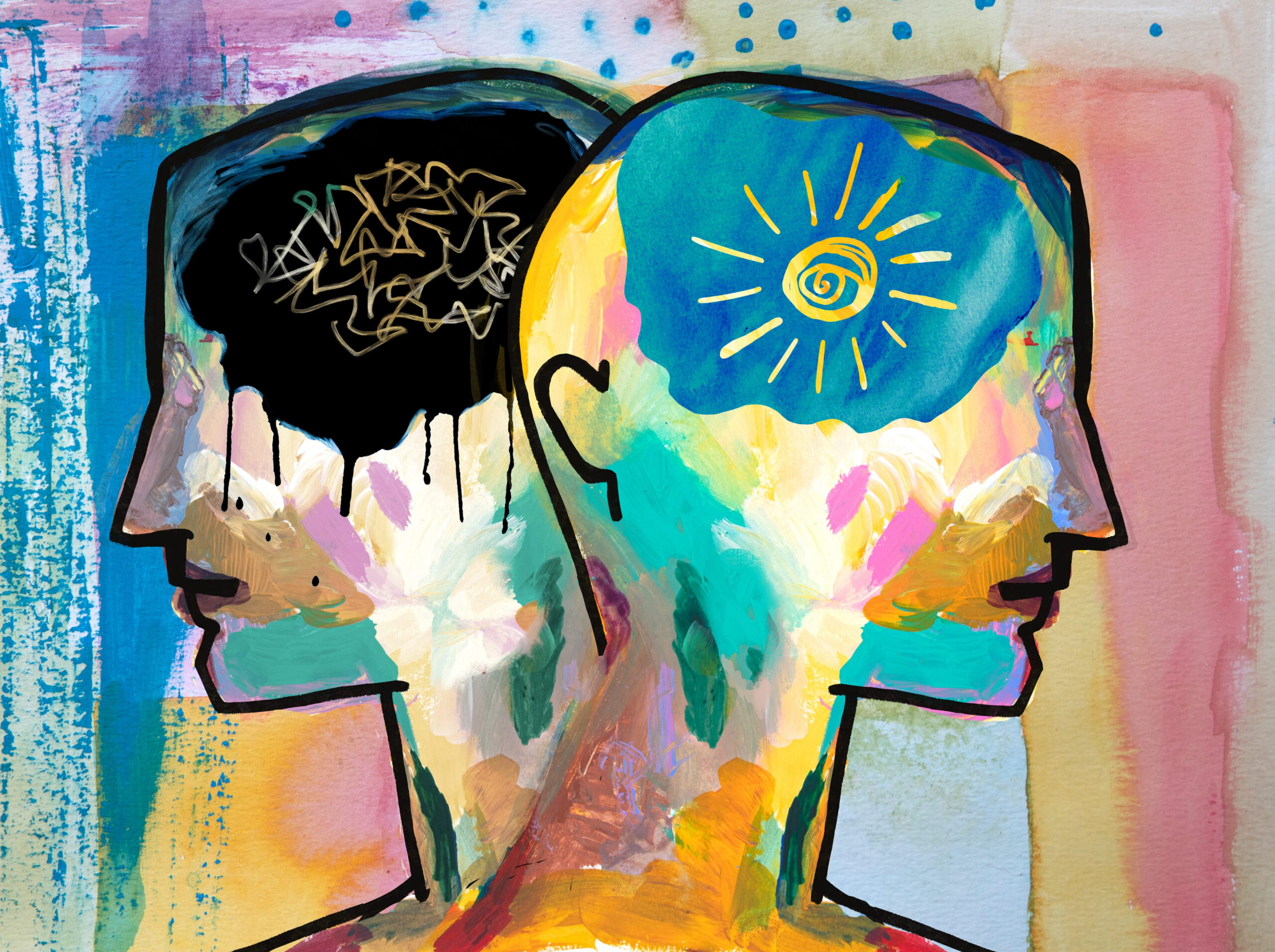
Many people turn to cannabis hoping to quiet anxiety or stress. While it might seem to work temporarily for some, the brain’s response over time is often more complex—and the new data reveals cannabis and psychosis risks that cannot be ignored.
The Critical New Data on Severe Risk: The 2023 JAMA Psychiatry study followed nearly 10 million people over 14 years and quantified the most serious outcomes¹. Among those who visited an emergency department for cannabis-induced psychosis, 26% developed a schizophrenia spectrum disorder within three years—a 242-fold increase in risk compared to the general population¹.
The most crucial finding, however, is that severe risk isn’t limited to those who experience obvious psychosis. Even an ER visit for cannabis use without psychosis was linked to a 14-fold increased risk of transitioning to schizophrenia¹. Because so many more people fall into this category, they account for more total cases of subsequent schizophrenia than the psychosis group¹.
This cannabis and schizophrenia risk is highest for younger individuals and males¹.
Comparison of Key Risk Statistics from the JAMA Study
| Scenario & Substance | Key Finding (3-Year Risk) | Relative Risk Increase |
|---|---|---|
| Emergency Department (ED) Visit for Cannabis-Induced Psychosis | 26.0% developed schizophrenia | 242 times higher risk |
| ED Visit for Cannabis Use (No Psychosis) | 1.9% developed schizophrenia | 14.3 times higher risk |
| General Population (Baseline) | 0.1% developed schizophrenia | Baseline |
The Anxiety Trap Explained: To understand why cannabis can sometimes backfire, we need to look at the endocannabinoid system’s role in regulating the hypothalamic-pituitary-adrenal (HPA) axis, which controls our stress responses².
Research demonstrates that THC has a biphasic effect on anxiety—at low doses it can reduce HPA-axis function, but at higher doses it increases HPA-axis activation and can precipitate anxiety and panic-like symptoms².
Think of your stress response system like a sensitive alarm. Cannabis can act like a mute button at first. But if you rely on it repeatedly, the system can get confused. For many, this leads to a paradox where cannabis actually increases baseline anxiety over time.
A Simple Analogy: Using high-potency cannabis to manage stress is like using a strong sedative to fix a faulty alarm system. It might silence the noise now, but it does nothing to repair the wiring and may make the underlying problem worse.
The Cardiovascular System: Cannabis and Heart Health
A stable, healthy heart is fundamental to overall wellness. Cannabis, especially when smoked or vaped, introduces documented cardiovascular risks that compound the concerns raised by the psychiatric data.
Heart Rhythm and Rate: Clinical literature confirms that acute cannabis use can be associated with tachycardia and serious arrhythmias, including atrial fibrillation, ventricular fibrillation, and even Brugada pattern abnormalities³. A recent case report documented a patient who developed torsades de pointes—a life-threatening ventricular tachycardia—following cannabinoid use, with her QTc interval normalizing only after she abstained from cannabis⁴. This corresponds to growing evidence linking cannabinoid products to arrhythmogenic properties⁴.
Blood Pressure Swings: Chronic cannabis use is associated with postural and orthostatic hypotension, as well as unpredictable blood pressure fluctuations³. The effect is often a “rollercoaster”—an initial drop followed by a sharp rise. This unpredictable strain is the opposite of the steady, calm state we want for our cardiovascular system.
For anyone, but especially those with underlying coronary artery disease who may experience coronary artery spasm or infarction, this added burden works against cannabis and heart health³.
The Gut-Brain Axis: Clouding a Crucial Conversation
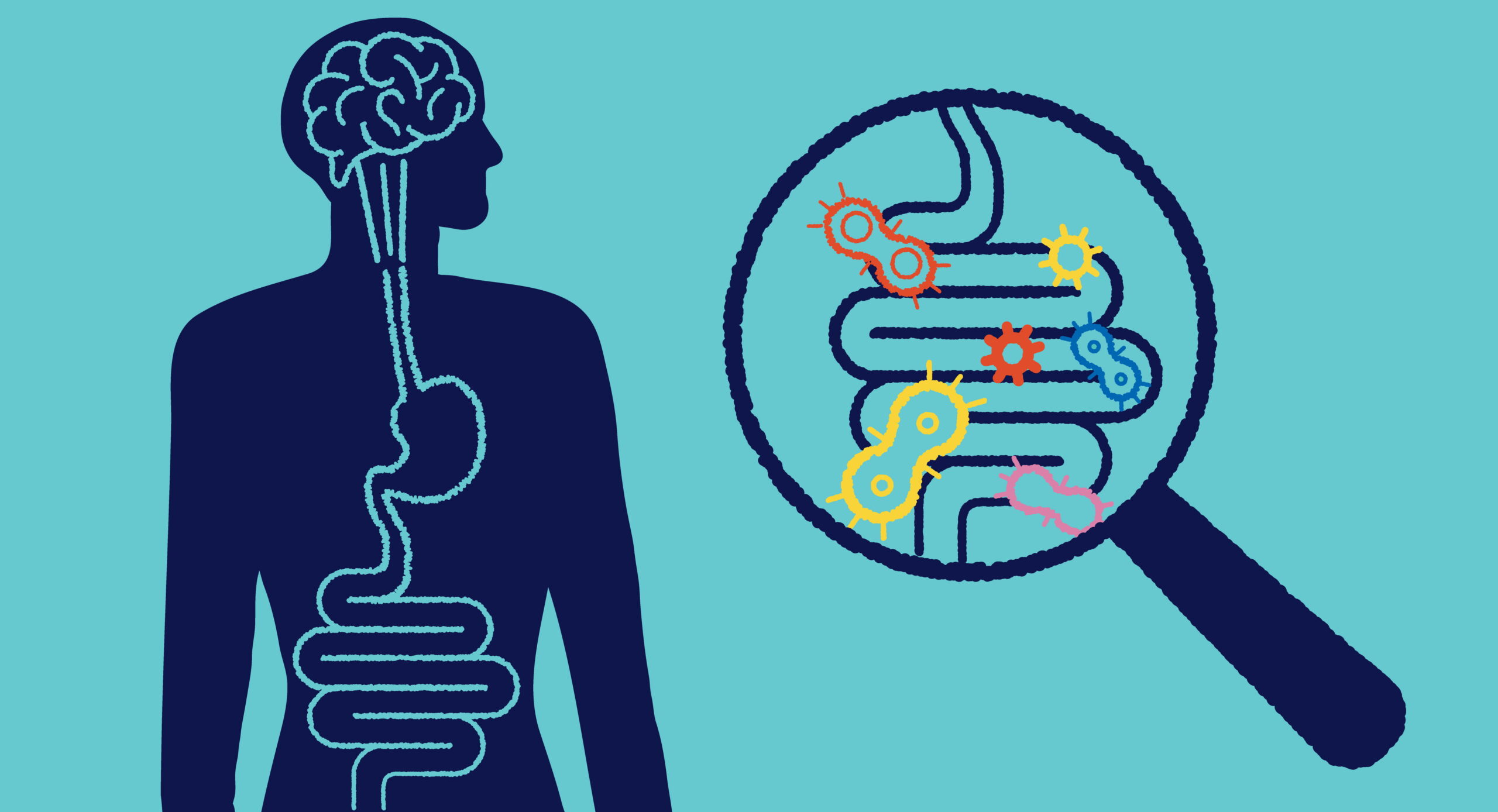
The constant, delicate conversation between your gut and brain is essential for mood, immunity, and overall health. The endocannabinoid system is a key part of this dialogue, and emerging science shows that exogenous cannabinoids can disrupt it.
Research demonstrates that cannabinoids significantly influence the microbiota-gut-brain axis⁵. The endocannabinoid system helps normalize immune function and regulate intestinal permeability⁵. Studies examining CBD administration have found dosage-dependent effects on gut microbial composition, with alterations in dominant bacterial phyla including Firmicutes and Proteobacteria⁶. Specifically, researchers have observed changes in beneficial genera such as Lachnospiraceae_NK4A136_group and Akkermansia following cannabinoid exposure⁶. This emerging field of cannabis and gut health deserves more attention.
The Core Question: If the goal is clear, healthy communication within your body, does this substance help that conversation or create static on the line? The evidence suggests that exogenous cannabinoids can meaningfully alter the gut microbiome environment⁵.⁶.
A Common Myth: “It’s Natural, So It’s Safe”
Many things in nature are powerful and require respect. Modern, high-THC cannabis products are pharmacologically potent. As medical commentators have noted, the debate over medicinal cannabis is often prone to what’s called the “naturalistic fallacy”—a belief that natural products are inherently good or safe⁷. This perspective ignores that many potent substances in nature require careful context and dosing.
The new data shows that cannabis-related psychiatric episodes are not always temporary. For many people, they represent the first step on a documented pathway to chronic illness¹. True understanding comes from recognizing potency, personal vulnerability, and long-term data.
Natural Alternatives to Cannabis: A New Framework
This data raises an urgent question: If cannabis carries these documented risks—for the brain, the heart, and the gut—what does genuinely support the endocannabinoid system? The answer requires us to look not at external compounds, but at the raw materials our bodies use to create their own calming signals. These represent true natural alternatives to cannabis that work with your body’s innate design.
The endocannabinoid system is not designed to rely on external, high-potency inputs like THC. It is designed to produce its own signaling molecules—endocannabinoids—from raw materials already present in our bodies. The two most studied endocannabinoids are 2-arachidonoylglycerol (2-AG) and anandamide — often called the ‘bliss molecule’ because its name derives from the Sanskrit word ananda, meaning joy, bliss, or delight⁸. These compounds are synthesized from fatty acid components found in cell membranes².⁸.
Think of it this way: your brain cells are constantly manufacturing these internal “stress buffers” and bliss molecules from building blocks like phospholipids—complex fats that form the very structure of your cell membranes. Key among these are phosphatidylcholine and phosphatidylserine, which serve as reservoirs for the fatty acids your body converts into endocannabinoids⁸.
What Happens Under Chronic Stress? The Endocannabinoid Deficiency Connection
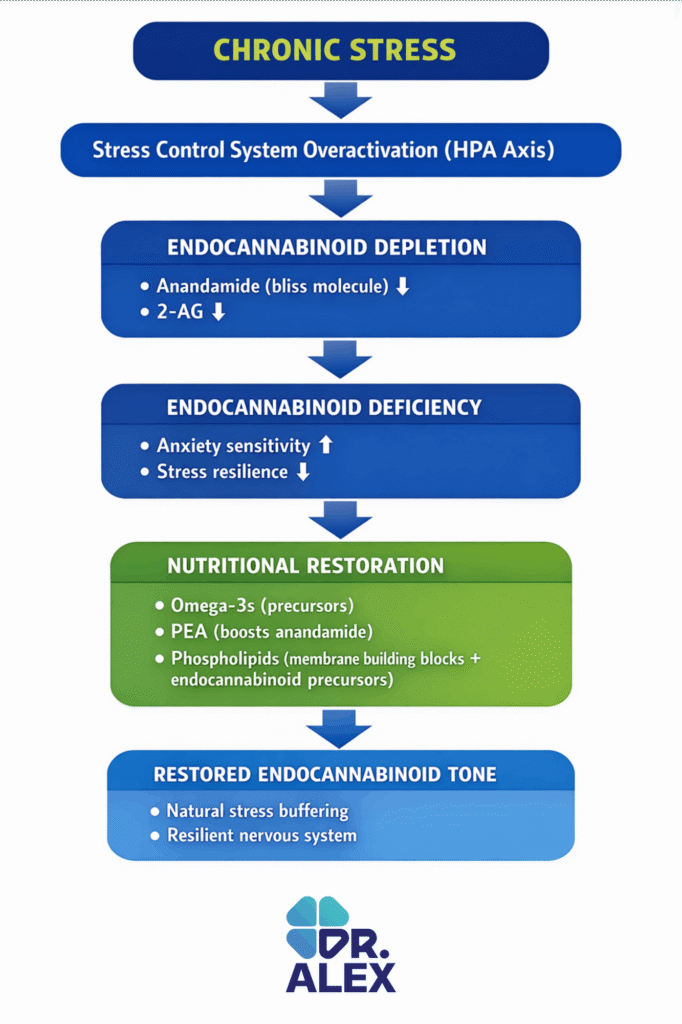
Research has clearly demonstrated that exposure to acute and chronic stress dynamically regulates endocannabinoid content in brain structures that control the HPA axis⁹. Under normal conditions, the endocannabinoid system tonically constrains activation of the stress response¹⁰. However, during repeated or severe stress, these natural compounds are depleted. Studies show that impaired endocannabinoid signaling is associated with an inability to adapt to chronic stress and the development of maladaptive behaviors⁹.¹⁰. In essence, we can “run out” of the raw materials needed to keep our stress response in check—including our natural bliss molecules. This concept of endocannabinoid deficiency may explain why some individuals struggle to find calm.
Vanderbilt researchers found that depleting 2-AG in the amygdala—a key emotional hub—rendered previously stress-resilient mice susceptible to anxiety-like behaviors. Conversely, augmenting 2-AG supply increased the proportion of stress-resilient animals¹¹. This suggests that endocannabinoid deficiency may directly contribute to stress-related psychiatric disorders¹¹.
A Nutritional Approach to Endocannabinoid Restoration
This is where the framework becomes truly novel and actionable. Rather than introducing external compounds that may overwhelm or disrupt the system, we can focus on providing the nutritional precursors that support the body’s own production of these calming signals—including the bliss molecule anandamide.
Omega-3 Fatty Acids: The Most Foundational Piece
Perhaps the most foundational component. Endocannabinoids are synthesized from polyunsaturated fatty acids (PUFAs) embedded in cell membranes². Omega-3 fatty acids (EPA, DHA, and DPA) also serve as direct precursors for endocannabinoids and anti-inflammatory mediators².⁸.
Dietary intake of omega-3s shifts the balance toward a higher proportion of omega-3-derived endocannabinoids, which may have distinct and beneficial physiological functions⁸. A Western diet deficient in these essential fats may directly impair optimal endocannabinoid production².
B-Vitamins: Essential Cofactors for Neurotransmitter Balance
The B-vitamin family—particularly B6, B9 (folate), and B12—serves as essential cofactors in the synthesis of serotonin, dopamine, and GABA, your brain’s primary calming neurotransmitter²². B6, for example, is required to convert excitatory glutamate into calming GABA. Without adequate B6, this conversion slows, leaving the brain in a state of heightened arousal²³.
Chronic stress depletes B-vitamins rapidly. The adrenal glands, which produce cortisol, have among the highest B-vitamin requirements of any tissue in the body²⁴. When stress is chronic, B-vitamin stores are drawn down to support adrenal function, leaving fewer available for neurotransmitter synthesis. This creates a cycle where deficiency impairs the very systems needed to handle stress.
A high-quality B-complex with activated forms (methylfolate, methylcobalamin) ensures your body has the cofactors it needs to synthesize calming neurotransmitters, produce energy, and regulate the stress response.
Magnesium Glycinate: The Nervous System’s Gatekeeper
Magnesium functions as the body’s primary gatekeeper at the NMDA receptor—a key excitatory pathway in the brain. When magnesium is adequate, it sits in the receptor like a security guard, preventing over-excitation. When deficient, the gate is left unguarded, and the brain becomes prone to hyperexcitability, anxiety, and stress sensitivity¹⁷.
This mechanism has direct relevance to cannabis: a magnesium-deficient brain may be significantly more vulnerable to THC’s negative effects, even at lower doses¹⁷.
Chronic stress depletes magnesium rapidly. Cortisol increases urinary magnesium loss, creating a cycle where stress depletes magnesium, and magnesium deficiency impairs the very systems needed to handle stress.
Magnesium glycinate is the preferred form for nervous system support. Glycine itself is an inhibitory neurotransmitter, and binding magnesium to glycine enhances both absorption and the calming effect on the brain.
Palmitoylethanolamide (PEA) for Anxiety and Stress
Palmitoylethanolamide (PEA), while not a classic endocannabinoid, is an endocannabinoid-like molecule that has garnered significant research attention. It is produced naturally in the body as a first responder to pain, stress, and inflammation¹².
A 2024 systematic review of 47 randomized controlled trials found that PEA supplementation, particularly in its ultramicronized forms, demonstrates strong evidence for pain management and measures of general well-being, with excellent tolerability¹³. For those seeking PEA for anxiety, the research is particularly promising.
Notably, PEA works in part by increasing the endogenous availability of anandamide and 2-AG, essentially “boosting” the body’s own endocannabinoid tone without directly activating cannabinoid receptors, as THC does¹⁴. This mechanism for boosting anandamide naturally makes PEA a compelling option for those seeking to support natural endocannabinoid tone without the risks of cannabis.
This makes it what some researchers call the “endogenous equivalent of CBD,” but with a more favorable long-term safety profile¹³. Emerging research is even exploring PEA supplementation in individuals at clinical high-risk for psychosis, given its potential to modulate inflammatory response and endocannabinoid signaling¹⁵.¹⁶.
Phospholipid Precursors: Building the Foundation for Bliss
Compounds like phosphatidylcholine and phosphatidylserine (found in supplements like lecithin) provide the structural lipid backbone from which endocannabinoids—including anandamide—are derived⁸. Ensuring adequate intake of these membrane-building blocks supports the cell’s ability to synthesize crucial signaling molecules on demand, thereby supporting your body’s production of its own stress-response compounds.
The Theoretical Advantage of This Approach
By supporting the body’s synthesis of endocannabinoids through PEA, phospholipids, omega-3s, and B vitamins, we work with the system’s natural design rather than against it.
We are providing the lumber, bricks, and tools for the body to build its own stress resilience and produce its own bliss hormones, rather than renting a temporary solution that may come with dependency or long-term neurological risks.
This approach avoids the potential pitfalls of direct CB1 receptor agonism (the mechanism of THC) while theoretically restoring the system’s homeostatic capacity and addressing any underlying endocannabinoid deficiency.
This is not about bypassing the need for rigorous clinical research—studies on PEA, omega-3s, and B vitamins in mood and psychotic disorders are ongoing and promising¹⁵²⁵. But it offers a coherent, physiologically-grounded path forward for those seeking to support their mental health without the documented risks of chronic, high-THC cannabis use.
A Framework for Informed Choice
The pivotal question to ask, backed by clear data, is:
“Is this habit supporting your long-term health, or is it a short-term fix with a potential long-term cost to your mental or physical well-being?”
In clinical practice, we start with the “Why.” If someone is using cannabis for sleep or anxiety, we focus on root causes and foundational support:
- Nutrient Support for the Endocannabinoid System: This is the novel approach. Consider foundational supplements that provide the raw materials for endocannabinoid production—including your body’s natural bliss molecules:
- A high-quality omega-3 fatty acid supplement (EPA/DHA) to provide precursor molecules²;⁸.
I use Omega Complete: EPA, DHA, and DPA Support by Doctor Alex Supplements for a full array of omega-3 compounds. - B-Vitamins (especially B6, folate, B12): Cofactors for Neurotransmitter Balance and Stress Resilience: B-Vitamins serve as essential cofactors for neurotransmitter synthesis, helping convert excitatory glutamate into calming GABA and supporting stress resilience²².²³.
Chronic stress rapidly depletes these nutrients; a high-quality activated B-complex ensures your body has what it needs to produce calming neurotransmitters and regulate the stress response²⁴.
I use Opti-Absorb B-Complex by Doctor Alex Supplements. - Magnesium Glycinate remains foundational, as animal research has shown that magnesium deficiency can reveal neurotoxicity from THC even at low doses¹⁷.
I use Magnesium Glycinate by Allergy Research Group. - Palmitoylethanolamide (PEA) , an endocannabinoid-like compound with strong safety data and emerging evidence for supporting stress response and wellbeing¹³.¹⁴. PEA is particularly effective for boosting anandamide naturally.
I use PEA+ by Enzyme Science. The “+” is added curcumin – an extract from turmeric known to support brain health and inflammation*. - A phospholipid source like lecithin to support cell membrane integrity and precursor availability⁸.
I use BioPath Renew: PC + PS by Doctor Alex Supplements
- A high-quality omega-3 fatty acid supplement (EPA/DHA) to provide precursor molecules²;⁸.
- Nervous System Training: Techniques like diaphragmatic breathing and mindfulness build the brain’s innate, drug-free capacity for calm by working with the body’s natural endocannabinoid signaling, which helps maintain HPA-axis homeostasis¹⁸.¹⁹.
- Gut Health: An anti-inflammatory diet and targeted prebiotic/probiotic support heal the body at the source, supporting the delicate microbial balance that exogenous cannabinoids may disrupt⁵.⁶. Interestingly, PEA itself has been shown to modulate microbiome activity and reduce markers of intestinal inflammation²⁰.
- Sleep Hygiene: Consistent, natural sleep is the bedrock of metabolic and neurological repair, supported by the body’s natural endocannabinoid rhythms²¹. Cannabis use can disrupt sleep long-term, not help it.
Building this stable foundation is the first and most important step. It is especially critical for younger individuals and males, for whom the science shows a need to be particularly aware of their personal risk profile¹.
Conclusion: Cannabis Isn’t the Only Answer
The path to true wellness is one of continuous learning and empowerment. This new data on cannabis risks isn’t meant to alarm, but to redirect. Cannabis isn’t the only answer—and now we know what the real answers look like.
By choosing strategies that support your body’s innate capacity to produce calming, stabilizing signals—omega-3s that provide the building blocks, cofactors like magnesium and B vitamins, PEA that gently boosts endocannabinoid tone and supports anandamide production, and phospholipids like phosphatidylcholine and phosphatidylserine that maintain cell membrane integrity, and foundational practices that train the nervous system itself—you invest in a foundation of health that is built to last. These are strategies that work with your body’s innate design, not against it.
Key Takeaways: Cannabis Risks and Natural Alternatives
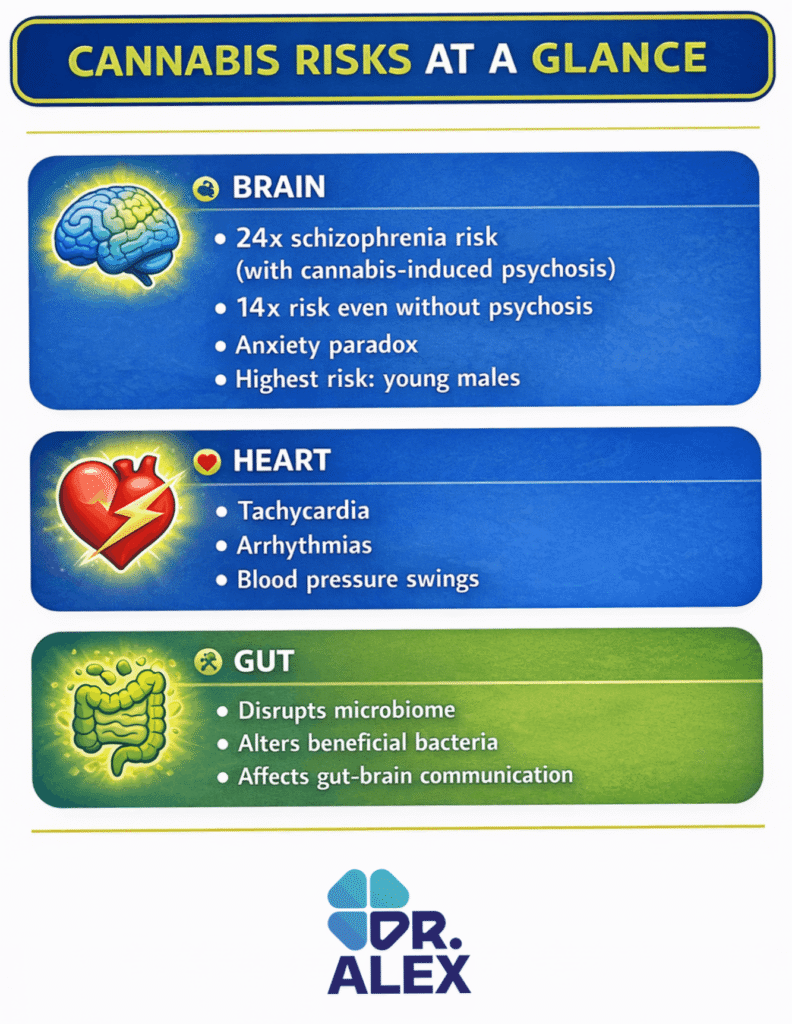
- Cannabis and psychosis risk is real and quantified: a 242-fold increase for those with cannabis-induced psychosis, and a 14-fold increase even without psychosis
- Cannabis and heart health concerns include arrhythmias and blood pressure instability
- Cannabis and gut health research shows a significant disruption to the microbiome
- Endocannabinoid deficiency may underlie stress-related disorders
- Natural alternatives to cannabis include omega-3s (EPA, DHA, and DPA), activated B-Vitamins, magnesium, PEA, and phospholipid precursors.
- Anandamide— —is your body’s natural endocannabinoid for joy and calm. It is boosted naturally by PEA.
- PEA for anxiety is supported by a 2024 systematic review of 47 trials
Related Articles
References
- Myran DT, et al. Transition to Schizophrenia Spectrum Disorder Following Emergency Department Visits Due to Substance Use With and Without Psychosis. JAMA Psychiatry 2023;80(11):1169-1174. View Study
- Freitas HR, Isaac AR, Malcher-Lopes R, et al. Polyunsaturated fatty acids and endocannabinoids in health and disease. Nature 2017. View Article
- AccessWorldMed. Cannabis and Cannabinoids. In: Medical Pharmacology & Therapeutics 6th Edition. View Source
- Othman L, Jalaly N. What we may not know: Torsades de Pointes induced by Cannabinoid Use. J Community Hosp Intern Med Perspect 2025;15(2): Article 18. View Study
- Karoly HC, Mueller RL, Bidwell LC, Hutchison KE. Cannabinoids and the Microbiota-Gut-Brain Axis: Emerging Effects of Cannabidiol and Potential Applications to Alcohol Use Disorders. Alcohol Clin Exp Res 2020. View Article
- Effect of intraperitoneal cannabidiol (CBD) injection on intestine microbiome profile in a mouse model. Curr Genet 2025;71:21. View Study
- McBride S. Viewpoints: Medicinal cannabis paradigms, part 2. New Zealand Drug Foundation 2018. View Article
- Watson JE, Kim JS, Das A. Emerging class of omega-3 fatty acid endocannabinoids & their derivatives. Prostaglandins Other Lipid Mediat 2019. View Article
- Gorzalka BB, Hill MN, Hillard CJ. Regulation of endocannabinoid signaling by stress: Implications for stress-related affective disorders. Neurosci Biobehav Rev 2008;32(6):1152-1160. View Article
- Riebe CJ, Wotjak CT. Endocannabinoids and stress. Stress 2011;14(4):384-397. View Article
- Bluett RJ, Báldi R, Haymer A, et al. Endocannabinoid signalling in the amygdala promotes stress resilience. Nat Commun 2017;8:14757. View Summary
- Gencor Pacific. Levagen+ PEA may modulate microbiome activity and metabolic pathways: RCT. NutraIngredients 2025. View Article
- Bortoletto R, et al. Palmitoylethanolamide supplementation for human health: A state-of-the-art systematic review of Randomized Controlled Trials in patient populations. Brain Behav Immun Integr 2024;43:100927. View Study
- Petrosino S, et al. The anti-inflammatory mediator palmitoylethanolamide enhances the levels of 2-arachidonoyl-glycerol and potentiates its actions at TRPV1 cation channels. Br J Pharmacol 2016;173(7):1154-1162. View Article
- Bortoletto R, et al. The Endocannabinoid Activity Remodulation for psychosis Liability in Youth (EARLY) Study: An Open-Label Feasibility Trial of Ultramicronized-Palmitoylethanolamide Oral Supplementation in Clinical High-Risk State for Psychosis. Brain Sci 2024;14(12):1230. View Study
- Bortoletto R, et al. The Endocannabinoid Activity Remodulation for psychosis Liability in Youth (EARLY) Study. Research Square 2024. View Article
- Bac P, Pages N, Herrenknecht C, Maurois P, Durlach J. Magnesium deficiency reveals the neurotoxicity of Δ-9-tetrahydrocannabinol (THC) low doses in rats. Magnes Res 2003;16(1):21-28. View Abstract
- Wiese BM, Alvarez Reyes A, Vanderah TW, Largent-Milnes TM. The endocannabinoid system and breathing. Front Neurosci 2023. View Article
- Hill MN, McLaughlin RJ, Pan B, et al. Recruitment of prefrontal cortical endocannabinoid signaling by glucocorticoids contributes to termination of the stress response. J Neurosci 2011;31(29):10506-10515. View Article
- Batacan R, et al. Effect of Palmitoylethanolamide Compared to a Placebo on the Gut Microbiome and Biochemistry in an Overweight Adult Population: A Randomised, Placebo Controlled, Double-Blind Study. Biomedicines 2024;12(7):1620. View Study
- Endocannabinoid Medicine. ECS Explained: Cannabis and Sleep. 2024. View Article
- Kennedy DO. B Vitamins and the Brain: Mechanisms, Dose and Efficacy—A Review. Nutrients. 2016;8(2):68. View Article
- Malouf R, Grimley Evans J. The effect of vitamin B6 on cognition. Cochrane Database Syst Rev. 2003;(4):CD004393. View Abstract
- Lonsdale D. A review of the biochemistry, metabolism and clinical benefits of thiamin(e) and its derivatives. Evid Based Complement Alternat Med. 2006;3(1):49-59. View Article
- Young LM, et al. A systematic review and meta-analysis of B vitamin supplementation on depressive symptoms, anxiety, and stress: Effects on healthy and ‘at-risk’ individuals. Nutrients. 2019;11(9):2232. View Article